

Relocating to a new country is always an exciting step, but moving into a country that is culturally very different from your own comes with its own set of confusing situations and challenges. Moving to Asia can be very rewarding, be it for work, retirement, or a fresh start, but cultural awareness might be of greater importance than you think.
Generally, adapting to life in Asia requires openness, flexibility, and a willingness to learn about new customs and social norms.
Vibrant cities and deeply rooted traditions are just two characteristics that many countries across Asia have to offer, together with a rich and rewarding lifestyle. But alongside the opportunities comes a challenge that is often underestimated by expats. The main challenge for most people planning to live in Asia is choosing a destination that matches their primary purpose for moving abroad. Understanding and respecting local culture is not always obvious. What may seem like a harmless habit to you can be perceived as rude in another cultural context. And in many Asian societies, respect is not just appreciated, it is expected.
For more insights and practical tips, this article serves as a helpful resource for understanding cultural expectations when moving to Asia.
Simple gestures can make a big difference
Adapting to local customs is not about losing your own identity. It is about showing awareness, building trust with your neighbors and co-workers, and avoiding misunderstandings in general, as they can make everyday life considerably more difficult. While in many Western countries communication can be direct and informal, in parts of Asia respect is often expressed through subtle gestures.
Making friends with other expatriates and locals can help ease your transition, offering valuable support, information, and camaraderie as you settle into your new environment.
Some of the ground rules involve:
- a polite greeting
- using both hands when giving or receiving something
- avoiding loud or confrontational behavior
- showing patience in conversations
In countries like Japan or South Korea, tone and body language matter just as much as words. Speaking calmly and respectfully is often more important than being efficient or direct.
Hierarchy and social norms in Asian cultures
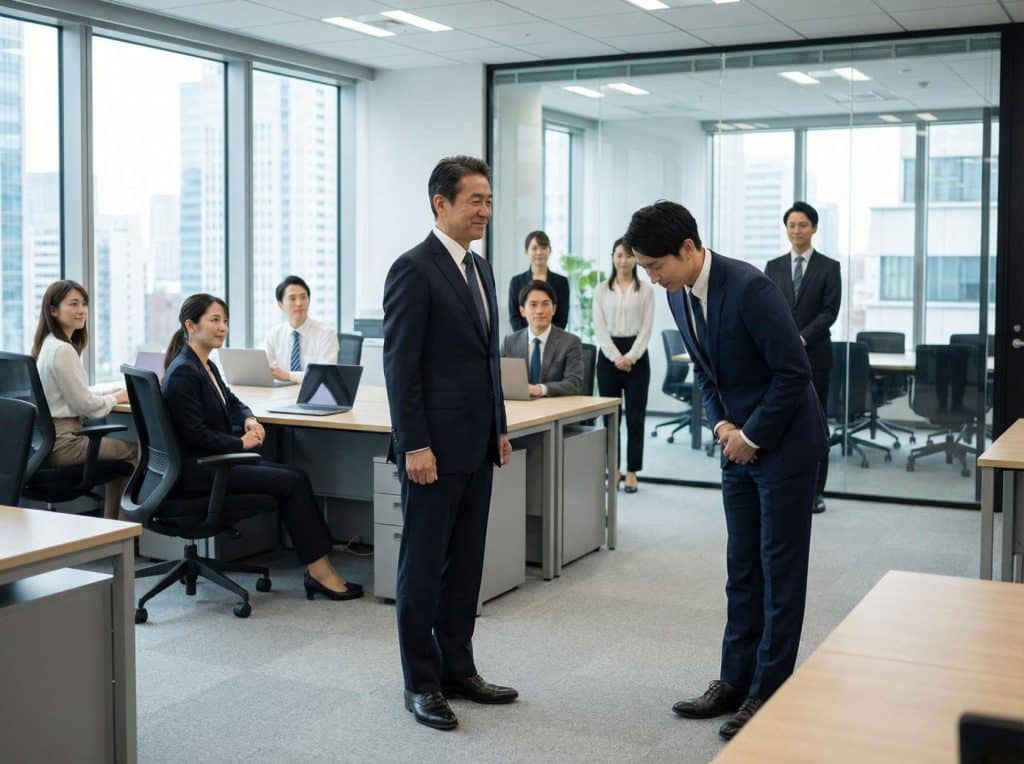
In many Asian cultures, hierarchy plays a significant role. Age, professional position, and social status often determine how people interact with each other. In countries like Thailand or Vietnam, showing respect to elders and authority figures is deeply ingrained.
One important concept across Asia is the “loss of face”, or the embarrassment someone may experience when challenged openly in public. If you disagree with someone, it is often better to do so diplomatically and privately.
Regional differences you should know when moving to asia
Asia is not a monolith, it’s a continent of remarkable diversity, with each region offering its own unique blend of culture, traditions, and daily life. For example, living in South Korea or living in Japan means stepping into fast-paced societies where technology and efficiency are deeply woven into the urban fabric. These East Asian countries are known for their bustling big cities, advanced infrastructure, and a strong emphasis on etiquette and social harmony.
In contrast, Southeast Asia, encompassing countries like Thailand, Vietnam, and Cambodia, offers a vibrant mix of traditions, colorful festivals, and world-renowned cuisine. Here, life often moves at a different pace, and community ties play a central role in daily interactions.
Travel further south to India, and you’ll find that it has its own distinct languages, foods, and customs, which can be quite different from those in northern China. While northern China is known for its long history, imperial architecture, and hearty cuisine, southern India is celebrated for its rich artistic heritage, spicy dishes, and diverse religious practices.
Understanding these regional differences is key to adapting smoothly. Whether you’re settling in the high-tech hubs of East Asia or the culturally rich communities of Southeast Asia, taking time to learn about local traditions and social norms will help you build stronger connections and enjoy a more rewarding experience in your new home.
Dress, behavior, and public etiquette in asian cultures
Your style of dressing may be acceptable at home, but not necessarily elsewhere. In more conservative or religious settings, modest clothing may be expected, especially when visiting places of worship.
For example, in Indonesia or Malaysia, covering shoulders and knees in certain settings is considered a sign of respect.
In most Asian countries, it is customary to remove your shoes before entering homes and temples as a sign of respect and cleanliness.
- Public behavior matters too:
- avoid public displays of anger
- keep physical affection discreet
- respect customs in temples and sacred places
In many Asian cultures, the head is considered the most sacred part of the body, and you should never touch anyone on the head, even children or Buddha statues. On the other end, the feet are seen as less clean, so you should avoid pointing the soles of your feet at people or sacred objects, as this is considered disrespectful.
Rather than relying only on a guidebook, observe what locals are doing.
A more indirect communication style
For Asia newcomers, one of the biggest hurdles can be the indirect communication style. In many countries, “yes” may simply mean acknowledgment, not agreement.
Criticism is often expressed subtly, and silence can carry meaning. A polite smile may sometimes be used to avoid confrontation rather than signal approval.
Learning to read between the lines helps prevent misunderstandings and builds stronger long-term relationships.
Everyday situations where showing respect matters
Food plays a central role in Asian cultures, shaping social interactions, daily life, and cultural celebrations. Understanding local food customs is key to cultural adjustment when moving to Asia.
Cultural awareness matters just as much in daily life as in formal settings.
In restaurants:
- be polite to staff
- show appreciation
- remember that tipping may sometimes be a faux pas
- in Japan, slurping noodles is considered polite and a sign of appreciation for the meal
- avoid leaving chopsticks standing upright in a bowl, as this is associated with funeral practices in some cultures
In taxis, shops, or apartment buildings, a friendly attitude, low noise levels, and consideration for neighbors often go a long way.
Even a few local words and a simple thank you can create a very positive impression.
Building trust as an expat
Respecting local culture is not only about avoiding rude behavior. It is the foundation for building trust as an expat.
When locals feel respected, they are often more open, helpful, and welcoming. This can make everything easier, from bureaucratic procedures to social integration, professional relationships, and your overall quality of life in Asia.
Your personal wellbeing is often closely linked to how accepted and integrated you feel.
The important role of preparation before moving
With the right preparation, many pitfalls can be avoided. Before relocating, it helps to:
- learn basic cultural norms
- understand local etiquette
- research everyday expectations
- prepare for communication differences
This kind of preparation reduces culture shock and helps you adapt faster.

Respect also means understanding local systems
Living abroad also means navigating unfamiliar systems, especially when it comes to healthcare.
Access to medical services, communication with doctors, and expectations around treatment can vary widely across Asia. Understanding these differences is an important part of adapting smoothly.
Having access to reliable support and private international health insurance can make a major difference in how secure and comfortable you feel in your new country.
Navigating transportation and logistics respectfully
Getting around in Asia can be an adventure in itself, but it’s important to approach transportation and logistics with respect for local culture and customs. In many Asian cultures, small gestures, like removing your shoes before entering a home or temple, are signs of respect that can also extend to certain public spaces or transportation systems.
For example, in Thailand, public transportation is both affordable and efficient, but it’s important to follow local social customs, such as giving up your seat to elderly or disabled passengers. In Japan, the train network is famous worldwide for its punctuality and orderliness. Here, keeping noise to a minimum, refraining from talking on the phone, and avoiding eating or pouring drinks in public areas are all part of showing consideration for others.
Across many Asian countries, being mindful of your surroundings and observing how locals behave on buses, trains, and taxis will help you avoid unintentional faux pas. Whenever possible, opt for eco-friendly transportation options to minimize your environmental impact, a value increasingly embraced in many Asian cities.
By respecting these customs and adapting to local expectations, you’ll find it easier to navigate daily life and earn the goodwill of those around you.
Our personal tip
Rather than relying solely on a guidebook, take time to observe how locals behave in everyday situations:
- how they greet each other
- how they stand in line
- how they speak
- how they use body language
- how they behave in public spaces
These small, unspoken rules often reveal more about a culture than written advice ever could.
Adopting a mindset of observation and quiet adaptation helps avoid awkward situations and shows genuine respect. Locals usually appreciate when foreigners make an effort, even if it is not perfect.
Over time, this awareness becomes second nature, making daily interactions much smoother and more enjoyable.
Related posts

Safest countries in Europe for expats and travelers
Europe is a dream destination for expats and travelers, offering centuries of history, a wealth of cultures, and modern amenities…

Citizenship by investment countries
A citizenship by investment (CBI) country offers foreign nationals the opportunity to obtain a second passport by making a qualifying…