If you move to India, you will quickly notice how diverse and flexible everyday life can be. What many expats appreciate most is the ability to shape their lifestyle according to their budget. From modern high-rise apartments in global cities to more traditional and affordable environments, India offers a wide range of living experiences, making it possible to live comfortably across different income levels.
The costs in India, covering housing, food, transportation, healthcare, and entertainment, are generally much lower than in Western countries, allowing for a comfortable lifestyle for a variety of budgets.
Whether you are settling in Mumbai, starting a new chapter in Bangalore, or exploring opportunities in Delhi, understanding the cost of living helps you plan your journey with confidence. India’s flexibility and affordability also make it an attractive destination for digital nomads, who can choose from a variety of cities and accommodation options to suit their needs.
What you can expect from your budget
When you arrive in India, you will quickly realise that your monthly expenses depend largely on your lifestyle and location. The average monthly cost for a single person can range from EUR 280 to EUR 650, depending on the city.
Major metropolitan areas such as Mumbai and Delhi are significantly more expensive, particularly in expat-friendly neighbourhoods, while cities like Pune, Hyderabad, or Jaipur offer a more affordable yet comfortable way of life.
India uses the Indian rupee (₹), so currency exchange is an important factor to consider. Even so, daily expenses such as groceries, transport, and services remain very accessible. Basic items like rice, local cheese, chicken, and eggs are especially affordable when purchased from local markets.
It’s important to note that costs vary widely across India, with major cities like Mumbai, Delhi, and Bengaluru being the most expensive, while smaller cities offer much lower living costs.
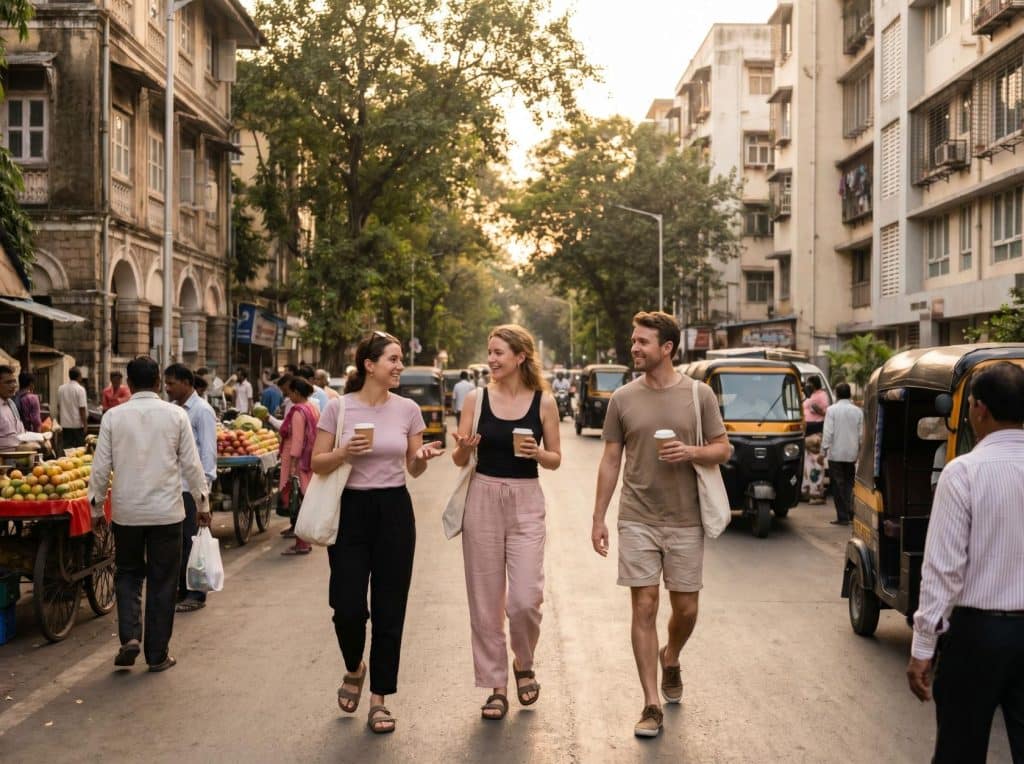
What many expats enjoy about life in India:
- A vibrant and culturally rich environment
- Flexible living costs depending on your preferences
- Access to diverse landscapes (beaches, mountains, countryside)
- A strong sense of community and local hospitality
You are not just relocating, you are discovering a completely new way of life.
Cost breakdown
Finding your home in Indian cities
Finding your home is often the most important step when settling abroad. In cities like Mumbai, a one-bedroom apartment in the city centre typically costs between ₹38,300 and ₹92,200 (EUR 425 to EUR 1,025) per month, making it the most expensive city in India.
A three-bedroom apartment can range from EUR 1,200 to EUR 2,500, depending on the neighbourhood and level of comfort.
In cities such as Bangalore or Pune, housing is more affordable. Delhi, Bangalore, and Pune offer 1BHKs for ₹10,000 to ₹28,000, while Tier-2 cities like Jaipur and Ahmedabad start around ₹6,000. On average, a one-bedroom apartment costs between EUR 250 and EUR 600 per month, making these cities attractive for young professionals and remote workers.
Utilities, including electricity, water, gas, and internet, generally add between EUR 80 and EUR 150 per month. Monthly utilities average around ₹3,565, but can reach ₹6,000 in cities like Delhi depending on seasonal usage.
Indian landlords typically require a security deposit ranging from two to ten months’ rent.
Housing costs vary significantly depending on the city, with premium neighbourhoods in Mumbai and Delhi being much more expensive.
Eating well without overspending
Food is one of the areas where India truly stands out. For one person, groceries usually cost between EUR 100 and EUR 250 per month (₹3,000 to ₹6,000).
- Basic items remain very affordable:
- Milk: ~₹61
- Bread: ~₹40
- Rice: ~₹56/kg
Food inflation in India is currently around 3.87%, but overall prices remain low compared to Western countries.
- Dining out is also highly accessible:
- Inexpensive restaurant meal: EUR 2 to EUR 3
- Mid-range restaurant: EUR 5 to EUR 12
- Coffee: EUR 1.50 to EUR 3
- Domestic beer: EUR 1.40 to EUR 1.90
Imported goods such as European cheeses, chocolates, and wines tend to be more expensive due to import duties.
What makes India unique:
- A rich and diverse food culture
- Affordable restaurants and street food
- Fresh produce available in local markets
It is not just about prices, it is about experiencing a completely different culinary culture.
Discover today our plans in just a few clics.
Getting around with ease
Getting around India is affordable, although it can vary depending on the city. Metro systems in cities like Delhi and Bangalore offer very low-cost transport, often under EUR 20 per month. Public transit monthly passes average ₹800 to ₹900 (EUR 9 to EUR 10).
Single journeys typically cost ₹10 to ₹60, making public transport extremely economical.
- Auto-rickshaws and ride-hailing services are widely used:
- Short rides: EUR 1 to EUR 3
- Local transport ticket: EUR 0.25 to EUR 0.30
Taxis are also inexpensive compared to Western countries, with base fares around EUR 0.55 to EUR 0.65.
Fuel prices average between EUR 1.20 and EUR 1.40 per liter (₹102–₹103).
India’s size means distances can be significant, but major cities are well connected by trains, flights, and highways.
Feeling secure with the right healthcare
Healthcare is a key aspect of feeling comfortable in a new country. Healthcare costs in India vary between public and private sectors, with private healthcare generally more accessible for expatriates. While public healthcare exists in India, most expats choose private healthcare due to higher standards and shorter waiting times.
Private hospitals in major cities often meet international standards and provide high-quality care, which also explains why India is a leading destination for medical tourism. The average cost for a short consultation at a private hospital is around ₹985, and a simple or minor health issue may only cost a few dollars, making healthcare expenses significantly lower than in many Western countries. Overall, costs in India for healthcare are generally low for expatriates, even though healthcare is largely privatized and can be somewhat prohibitive for Indian citizens.
Insurance premiums for family plans in India generally range from ₹10,000 to ₹50,000 annually ((approximately EUR 110 to 550), with rates having increased by 27% year-on-year in early 2026. Most expatriates in India opt for private health insurance to cover unexpected medical emergencies, hospitalizations, and specialist care, as public healthcare is not available to foreigners.
As part of your relocation, having the right protection is essential. Choosing international health insurance for expatriates in India ensures access to quality care both locally and abroad, with coverage adapted to your mobility and needs.
Supporting your children’s education in India
If you are moving with your family, education will be an important factor. Public schools mainly follow the local curriculum, while international schools offer English-language programs. Private schooling is a significant factor contributing to higher living costs in major cities like Mumbai, Delhi, and Bengaluru, as many families opt for these institutions due to their good quality and high standards.
In cities like Mumbai, Delhi, and Bangalore, international school fees range from EUR 5,000 to 20,000 per year.
India also offers a wide range of universities and higher education institutions known for their good quality. Tuition fees vary depending on the program and institution.
Students typically spend between EUR 300 and 700 per month, making India a relatively affordable destination for education.
Staying connected wherever you live
Staying connected in India is simple and affordable. Broadband internet usually costs between EUR 10 and 20 per month, and many internet plans include unlimited data, making them cost-effective for remote work and travel. Mobile plans are among the cheapest globally, often starting below EUR 10.
Connectivity in major cities is reliable, and smaller towns are continuously improving their infrastructure. Fixed internet services and domestic help are more accessible and reliable in urban areas, highlighting the importance of location when considering living arrangements and service options in India.
For remote workers and internationally mobile professionals, this makes India a practical and attractive destination.
Cost of living comparison
| Cost of living category | India (EUR / INR) | United States (USD & EUR) |
| Rent (one-bedroom apartment) | EUR 250 – 1,200 (INR 22,000 – 110,000) | EUR 1,200 – 2,000 (USD 1,300 – 2,200) |
| Groceries (per month) | EUR 100 – 250 (INR 9,000 – 22,500) | EUR 300 – 500 (USD 330 – 550) |
| Transportation (monthly) | EUR 10 – 40 (INR 900 – 3,600) | EUR 80 – 150 (USD 90 – 165) |
| Healthcare insurance (per month) | EUR 30 – 100 (INR 2,700 – 9,000) | EUR 100 – 250 (USD 110 – 270) |
Exchange rate used: 1 EUR ≈ 90 INR / 1 EUR ≈ 1.08 USD
How India compares when you look beyond borders
When comparing India to other regions, the country offers a unique combination of affordability and diversity. Daily expenses are generally lower than in Southeast Asian destinations like Thailand or Vietnam, while within India itself, traveling between other destinations is convenient and cost-effective, making it easy to explore various locations across the country.
Compared to Western countries, India remains significantly more affordable across most categories. However, infrastructure and services can vary depending on the city and neighbourhood.
India allows you to adapt your lifestyle based on your priorities, which is something many expats value.

Enjoying life: leisure and entertainment on a budget
Living in India means you don’t have to spend a fortune to enjoy a vibrant social life. The country offers a wealth of leisure and entertainment options that cater to every budget. Dining out is a pleasure, with a three-course meal at a mid-range restaurant typically costing between EUR 10 and 13. If you’re in the mood for something quick and local, a combo meal at a neighborhood eatery can be as affordable as EUR 2 to 3 — perfect for a casual lunch or dinner.
Exploring local markets is another way to experience India’s rich culture without overspending. From fresh produce to handmade crafts, these markets are not only budget-friendly but also offer a glimpse into daily life in Indian cities. Many expats and locals alike enjoy spending weekends browsing stalls, sampling street food, and discovering unique finds.
Entertainment options are equally accessible. Whether you’re catching a movie, attending a cultural festival, or joining a yoga class, costs are generally affordable compared to Western countries. Public transportation makes it easy to get around, with a monthly pass for buses or metro systems typically costing between EUR 8 and 10. This allows you to explore your city, commute to work, or meet friends without worrying about high transportation costs.
India offers a dynamic lifestyle where you can enjoy good food, entertainment, and cultural experiences, all while keeping your living expenses under control. For most expats, this balance of affordability and quality of life is one of the country’s greatest attractions.
What else you should keep in mind before you move
India continues to attract professionals, entrepreneurs, and students thanks to its growing technology sector and expanding economy.
Domestic help is widely available and affordable, especially in urban areas, and can be an important factor in managing your monthly expenses and lifestyle.
But beyond financial considerations, your experience will also depend on preparation. Choosing the right international health insurance plans is key to building a secure and stress-free life abroad.
Moving to India is not only a financial decision, it is a lifestyle choice. And with the right preparation, it can become a truly enriching experience.
Other guides for India
-

 Georgia
-
 Paraguay
-
 Seychelles