Montenegro, a small but stunning country on the Adriatic coast, is known for its breathtaking natural landscapes, relaxed Mediterranean lifestyle, and affordable prices. With its growing tourism industry and simple visa policies, it has become increasingly popular among expats, retirees, and digital nomads looking for a peaceful yet well-connected European destination. Understanding the cost of living in Montenegro helps newcomers plan their budget and make the most of everyday life in this scenic Balkan nation.
Overall affordability
The cost of living in Montenegro is among the lowest in Europe, especially compared to Western and Southern European countries. Prices in Podgorica, the capital, are slightly higher than in coastal or inland towns, but still very reasonable. The country uses the euro (EUR), which simplifies daily transactions and eliminates currency exchange fluctuations.
Montenegro offers excellent value for money in housing, dining, and services, allowing residents to enjoy a comfortable lifestyle even on a modest budget. The cost of utilities and transportation remains low, while groceries and entertainment are accessible for most income levels.
Expats and locals appreciate Montenegro for:
- Low housing and everyday costs.
- Access to the Adriatic lifestyle at affordable prices.
- A safe, slow-paced environment with beautiful natural surroundings.
Cost breakdown
Housing
Accommodation is highly affordable by European standards. In Podgorica, a one-bedroom apartment in the city centre costs between EUR 600 and 900 per month, while a three-bedroom apartment ranges from EUR 1,200 to 1,800. Outside the capital in towns like Nikšić or Bar one-bedroom apartments can be rented for EUR 350 to 600.
Monthly utilities, including electricity, water, heating, and internet, typically amount to EUR 120 to 200, depending on the size of the property and the season. Buying property is also relatively cheap: the average price per square meter in Podgorica is EUR 2,000 to 2,800, while in smaller coastal towns, it ranges from EUR 1,200 to 1,800.
Foreigners can buy property freely, and real estate remains one of the most attractive investment sectors in Montenegro.
Food
Groceries and dining in Montenegro are affordable and high in quality. A single person spends around EUR 200 to 350 per month on groceries. Local markets offer fresh fruit, vegetables, and seafood at very good prices, while supermarkets such as Voli and Aroma provide international products at competitive rates.
An inexpensive restaurant meal costs EUR 8 to 12, and a three-course dinner for two in a mid-range restaurant is around EUR 35 to 55. A domestic beer (0.5-liter) costs EUR 2 to 2.50, while an imported one is about EUR 3.50 to 4.50. A liter of bottled water costs EUR 1 to 1.50.
Typical local prices and habits:
- Fresh produce and fish are affordable, especially near coastal towns.
- Street cafés offer excellent coffee for EUR 1.50 to 2.00.
- Traditional meals like grilled meat or seafood platters provide great value.
Transportation
Public transport in Montenegro is inexpensive, although networks are more limited than in larger European countries. A monthly ticket for buses costs around EUR 30 to 40, while taxis start at EUR 2 to 3, with approximately EUR 1.00 per kilometer.
Fuel prices average EUR 1.80 to 1.95 per liter, meaning a full tank costs about EUR 90 to 100. Driving is the most common way to get around, as trains and buses mainly connect larger cities like Podgorica, Bar, and Nikšić.
For those living along the coast, cycling and walking are popular ways to commute, particularly during summer.
Healthcare
Healthcare services in Montenegro are available through both public and private providers. Public healthcare is free or low-cost for residents, but waiting times can be long. Private insurance offers faster access to specialists and modern clinics, typically costing EUR 40 to 100 per month.
Expats and retirees are advised to purchase international or private health insurance to ensure comprehensive coverage, especially if they spend long periods outside major cities.
Discover today our plans in just a few clics.
Education
Education is free for citizens and residents, with classes mainly taught in Montenegrin. International schools in Podgorica and coastal cities charge between EUR 6,000 and 12,000 per year. University tuition for foreign students ranges from EUR 2,000 to 5,000 per year, depending on the program.
Students living in Montenegro can expect monthly expenses of EUR 600 to 1,000, including accommodation, food, and leisure.
Internet and mobile
Internet access is reliable and inexpensive. A high-speed home connection costs EUR 25 to 35 per month, while mobile plans with unlimited data range from EUR 15 to 25. Montenegro’s telecom infrastructure is improving quickly, and coverage is good even in coastal and rural areas.
Cost of living comparison
| Category | Montenegro (EUR) | United States (USD & EUR) |
|---|---|---|
| Rent (one-bedroom apartment) | EUR 600 – 900 | EUR 1,200 – 2,000 (USD 1,300 – 2,200) |
| Groceries (per month) | EUR 200 – 350 | EUR 300 – 500 (USD 330 – 550) |
| Transportation (monthly pass) | EUR 30 – 40 | EUR 80 – 150 (USD 90 – 165) |
| Healthcare insurance (per month) | EUR 40 – 100 | EUR 100 – 250 (USD 110 – 270) |
Exchange rate: 1 EUR ≈ 1.1 USD
How Montenegro compares to its neighbours
Compared to Serbia, Montenegro’s coastal regions are slightly more expensive, but Podgorica remains similar in price for rent and groceries. Croatia offers higher living costs across the board like rent, food, and entertainment can be up to 40% more expensive, particularly in tourist hubs like Dubrovnik or Split. Meanwhile, Albania remains cheaper overall, especially for food and utilities, but Montenegro provides better infrastructure, a stronger tourism sector, and wider international connectivity.
This balanced cost structure gives Montenegro a clear advantage for expats seeking affordability without compromising on comfort or natural beauty.
Additional considerations
Montenegro’s flat 15% income tax and low property taxes make it financially attractive for residents and investors. Mortgage rates average 5–6%, and the cost of services like dining, transportation, and leisure activities remains low. Coastal towns offer vibrant lifestyles during summer, while Podgorica provides a stable and affordable base year-round.
The country’s scenic Adriatic coast, growing expat community, and favourable cost of living make Montenegro an appealing choice for those seeking a Mediterranean lifestyle at a reasonable price. Whether you prefer the mountains, the coast, or a small urban centre, Montenegro combines natural beauty and financial accessibility in a way few European countries can match.
-

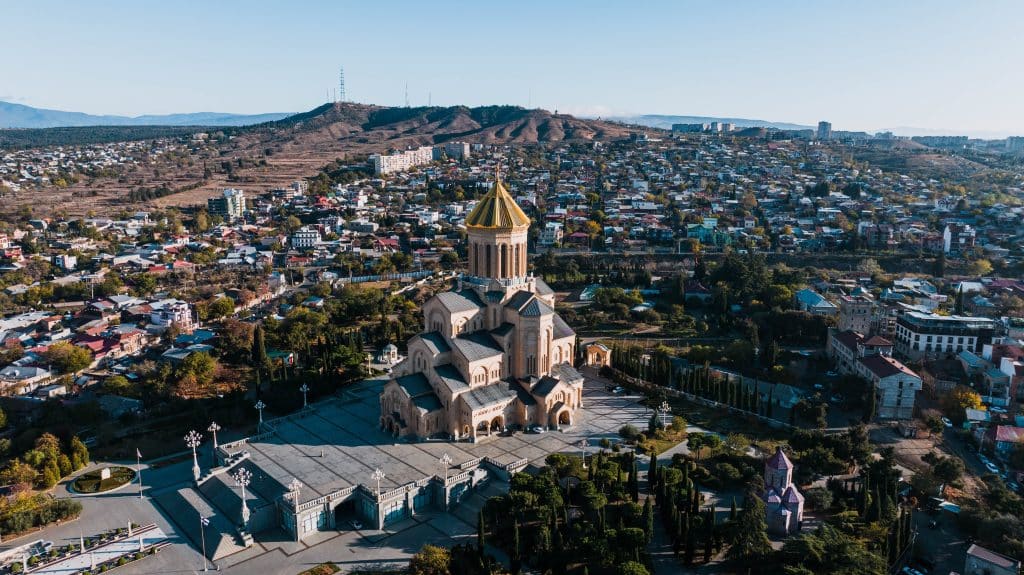
 Georgia
-
 Paraguay
-
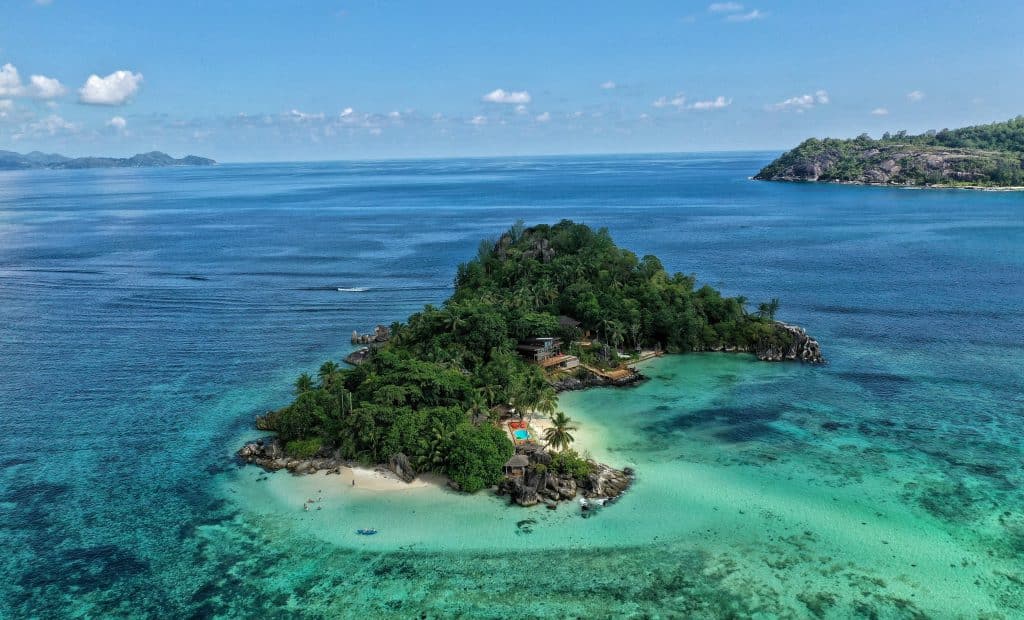
 Seychelles