South Africa is a place of striking contrasts, where modern city life sits close to beaches, vineyards, mountains, and world-famous wildlife reserves. Cape Town is often ranked as one of the world’s most beautiful cities due to its natural beauty and vibrant city life.
For many expats, that mix is the main attraction: you can build a comfortable, cosmopolitan life in Cape Town, Johannesburg, or Durban, while still having nature on your doorstep. These are the most popular cities for expats in South Africa, each offering unique lifestyles and opportunities. The expat experience is shaped by the country’s cultural diversity, social norms, and the practical aspects of adapting to a new environment.
At the same time, relocating to South Africa requires realistic planning. Administration can be slow, the private healthcare system is excellent but expensive, and safety varies a lot by neighbourhood. If you prepare properly, your move can be smooth and your day-to-day life genuinely rewarding.
What kind of visa is required for expatriation to South Africa?
South Africa offers several visa categories depending on whether you are moving for work, business, retirement, or family reasons. A key point for many expats is that changing status after arrival can be complex, so it is usually easier to apply for the right long-term visa from the start.
For short stays, visitor visas are typically issued for up to 90 days, and some nationalities are visa-exempt for short visits.
Work visas commonly used by expats
- General work visa (up to 5 years)
This is used when you have a job offer, and your employer must generally demonstrate why a local candidate cannot fill the role (labour market testing is often part of the process). The South African employer is responsible for proving the necessity of hiring a foreign national and may be required to submit a skills transfer planas part of the application. - Critical skills work visa (up to 5 years)
Also valid for 5 years. The difference between this visa and the General Work Visa is that it can be issued without a promise of employment. It facilitates the application of foreign employees with the skills and qualifications sought in specific industries, such as finance, technology, science or medicine. The beneficiary must, however, provide proof of employment within 12 months of obtaining the visa. - Intra-company transfer work visa (up to 4 years)
Designed for employees transferred within a multinational group to a South African entity. The South African employer plays a key role in compliance with immigration laws and employment conditions, including facilitating skills transfer. It is typically valid up to four years, and it is commonly treated as non-renewable, so it works best for fixed assignments.
Processing times can be slow and document-heavy, so many expats plan for a longer lead time than they would expect in Europe.
Holding a work visa for an extended period (typically five or more consecutive years) can be a pathway to permanent residency in South Africa.
South Africa’s work visas target skilled professionals, intra-company transferees, and entrepreneurs, with stringent requirements to prioritize local labor markets.
Working in South Africa
South Africa’s job market can feel dynamic in certain sectors, but unemployment remains high, so employers may prioritise local candidates where possible. The strongest opportunities for expats tend to be in specialised roles, multinational companies, and industries aligned with “critical skills”.
Entrepreneurship and investment by expats, especially those entering on business visas, can play a significant role in contributing to the South African economy by supporting economic growth and job creation.

English is the dominant language in business environments, and it is essential for most professional roles. South Africa also has 12 official languages, including South African Sign Language, which became the 12th official language in 2023.
Many digital nomads and freelancers gravitate toward Cape Town due to lifestyle, cafés, and coworking options, but remote work arrangements still depend on having the correct immigration status.
A practical tip: when applying for roles, local experience and local references can matter a lot. Expats often find it easier to enter via an internal transfer, a specialist contract, or a role with a clear skills shortage.
Discover today our plans in just a few clics.
Accommodation and housing
South Africa offers a wide variety of accommodation options to suit every lifestyle and budget, making it easy for expats to find a place that feels like home. In vibrant cities like Cape Town, you’ll find everything from modern one bedroom apartments in the city center to spacious family homes in leafy suburbs or along the scenic Atlantic Seaboard. Many expats are drawn to secure complexes or gated communities, which often feature 24-hour security and shared amenities such as pools and gyms: an important consideration for peace of mind.
Rental prices can vary significantly depending on the city, neighbourhood, and property type. In Cape Town or Johannesburg, a one-bedroom apartment in the city centre typically rents between ZAR 11,000 and ZAR 22,000 per month (around EUR 550 to EUR 1,100), with premium areas such as Camps Bay, Sea Point, or the Atlantic Seaboard reaching higher prices.
In smaller cities or outside central districts, prices are generally lower. A similar apartment may cost between ZAR 8,000 and ZAR 12,000 per month (around EUR 400 to EUR 600) depending on the location and the building’s amenities
When searching for accommodation, it’s wise to consider proximity to work, schools, and daily conveniences, as well as the overall safety and reputation of the neighborhood. Many expats choose to work with reputable real estate agents who understand the local market and can help navigate lease agreements and property viewings. Whether you’re seeking a cosmopolitan lifestyle in the heart of Cape Town or a quieter setting in a smaller city, South Africa offers housing options to match your needs and preferences.
Health services and private healthcare
South Africa has a two-tier healthcare reality. Public healthcare exists nationwide but can be stretched, especially outside major urban areas. Private healthcare in big cities is generally good and meets international standards, but it is costly and often paid upfront.
The public healthcare system is government-funded and available to all residents, including expatriates with valid visas. However, the public system often faces long wait times and limited resources, especially in rural areas, due to financial and logistical constraints. Healthcare services in the public sector are provided on a sliding scale based on income, meaning higher earners pay more for treatment. The government continues to invest in healthcare infrastructure, focusing on combating communicable diseases and expanding community outreach.
The private sector offers higher-quality, faster service with more advanced facilities. Many expatriates choose private healthcare for these reasons, as private hospitals in South Africa are considered among the best in Africa, with many doctors having trained internationally. Most expats are recommended to have health insurance that covers hospitalization, specialist consultations, and emergency care, and several international health insurance providers operate in South Africa to cater specifically to expat needs. Expat health insurance plans often include coverage for telemedicine and mental health support, ensuring access to quality medical care and peace of mind for globally mobile individuals and families.
For many expats, strong private coverage is quite a necessity, particularly for hospital care, specialist treatment, and emergency transport. In reality, foreigners often face issues in accessing the public healthcare.
Vaccinations and yellow fever
A common misconception is that yellow fever vaccination is always required for South Africa. In reality, South Africa requires proof of yellow fever vaccination only if you are arriving from or transiting through a yellow fever risk country (including long airport transits).
Routine vaccines and travel recommendations depend on your itinerary, season, and activities, so it is best to check with a travel clinic before departure.
Cost and quality of life in south african rand
Many expats live comfortably in South Africa, especially if they earn in stronger currencies or hold skilled roles with competitive compensation. The overall cost of living can be lower than in many Western countries, but it depends heavily on your lifestyle, housing choice, security needs, and schooling costs.
Cape Town is frequently considered one of the most attractive cities for expats because it combines strong infrastructure with outdoor living and a global, creative atmosphere. Johannesburg often offers more corporate opportunities, while Durban can be appealing for its coastal lifestyle and climate.
Housing is usually the biggest expense. Prices vary significantly by neighbourhood and security level. As a guideline, rentals in central, popular areas can be comparable to mid-sized European cities, while many other areas remain more affordable.
Quality of life is often described as high because of climate, nature, and lifestyle options. The most common adjustment for newcomers is learning how the city “works”: which areas feel safe, what time people commute, and how to plan daily routines with security in mind.
The safety issue
Safety is one of the biggest concerns for families. Crime levels are higher than in many Western countries, and risks vary strongly depending on city and neighbourhood. This is why expats often choose housing in areas with good security infrastructure and follow practical habits such as limiting night driving in unfamiliar areas, not displaying valuables, and using trusted transport options.
Many expats report a positive day-to-day experience when they take local advice seriously and choose their location carefully. The goal is not paranoia. It is smart planning.

Education and the school system
Schooling quality varies widely across public and private systems. Many expat families choose private or international schools, especially in Cape Town and Johannesburg, but fees can be high. International curricula (British, IB, American, or French) are available, and early applications are recommended because popular schools can have waitlists.
If you are considering public schools, your experience will depend heavily on the province, the specific school, and whether the language of instruction fits your child’s needs. Public schools in South Africa are government-funded, which affects their accessibility and the resources available to students.
Tax implications
Understanding your tax obligations is a crucial part of living in South Africa as an expat. If you become a tax resident, you’ll be required to pay income taxes on your worldwide income, not just what you earn locally. South Africa has a tax treaty with several countries, including the US, which helps expats avoid double taxation. You may be eligible to claim a foreign tax credit or use the foreign earned income exclusion to reduce your tax liability, depending on your circumstances.
The South African tax year runs from March 1 to February 28, and tax returns are generally due by the end of June. Tax rates are progressive, ranging from 18% to 45%, and there are deductions available for certain expenses such as mortgage interest, medical costs, and retirement contributions. It’s important to keep thorough records and bank statements to support your filings.
Given the complexity of international tax rules and the potential for double taxation, it’s highly recommended to consult with a tax professional familiar with both South African and your home country’s tax systems. This will help you stay compliant, make the most of available tax benefits, and avoid any surprises. Staying informed about your tax residency status and obligations will ensure a smoother transition to expat life in South Africa.
Transportation in South Africa
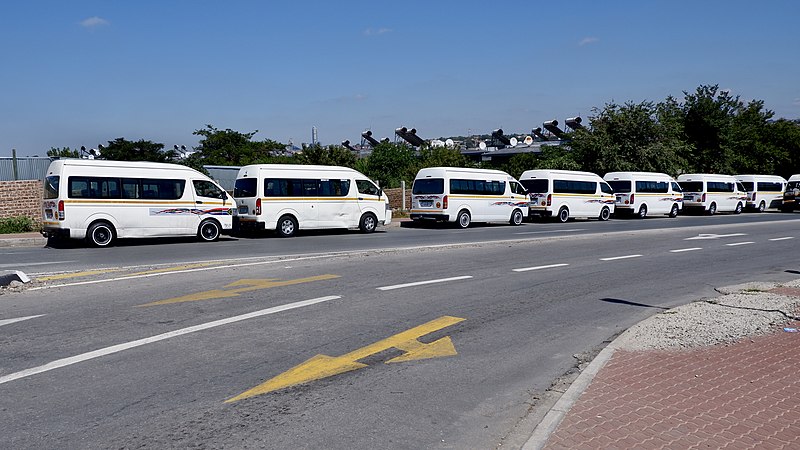
South Africa is a large country, and transport choices depend on where you live.
Transportation costs can be significant for expats, especially since public transportation is limited outside major cities, making private vehicle ownership almost essential. In most cities, having a car is common, especially for families. Public transport options exist but are uneven and not always practical for commuting in every area. For longer distances, flying is often the simplest option.
For travellers exploring tourist routes, hop-on hop-off services like Baz Bus are still marketed as an option on the Garden Route, particularly between Cape Town and Gqeberha (Port Elizabeth).
General safety guidance applies: avoid hitchhiking, plan routes in advance, and use reputable transport providers at night.
Climate in cape town and South Africa
South Africa’s climate differs by region.
- Cape Town has a Mediterranean pattern with warm, dry summers and cooler, wetter winters.
- Johannesburg sits inland at higher altitude with sunny winters and summer thunderstorms.
- Durban is more humid and subtropical.
Because the country spans multiple climate zones, many expats choose their destination partly based on weather preferences and lifestyle.
Language and communication
South Africa is renowned for its vibrant culture and rich cultural heritage, shaped by its status as a predominantly Christian country and its remarkable linguistic diversity. While English is widely spoken – especially in business, education, and urban areas – many South Africans use other languages such as Afrikaans, isiZulu, or isiXhosa in their daily lives. This multicultural environment means expats will often hear a mix of languages in public spaces, workplaces, and social settings.
Most South Africans are friendly and welcoming, and showing respect for local languages and customs can help you build strong relationships. Even learning a few basic greetings or phrases in a local language is appreciated and can open doors to deeper cultural experiences. For those looking to improve their language skills, there are plenty of language classes and online resources available.
In professional settings, English is typically the language of communication, but being aware of cultural nuances and different communication styles is important to avoid misunderstandings. Embracing the diversity of South Africa’s people and languages is a rewarding part of expat life, offering daily opportunities to connect with the country’s vibrant communities and traditions.
Pros and cons of expatriating to South Africa
| Pros | Cons |
| Cosmopolitan lifestyle with easy access to nature | Safety varies significantly by area |
| Strong private healthcare in major cities | Private healthcare can be expensive without insurance |
| Attractive options for skilled professionals and internal transfers | Visa processes can be slow and documentation-heavy |
| English widely used in business and urban life | Inequality can be visible and may require adjustment |
| Great climate variety and outdoor lifestyle | Public services quality can vary by region |
Final note
South Africa can be an incredible place to live, especially if you choose the right city and neighbourhood for your lifestyle and priorities. The best relocations are the ones planned realistically: the right visa pathway from the start, a clear view of schooling and housing costs, and a healthcare strategy that protects you in both everyday situations and emergencies.
Global health coverage can play a key role here, because private care is often the standard choice for expats and costs can rise quickly without strong protection.
Other guides for South Africa
-

 Georgia
-
 Paraguay
-
 Seychelles