Are you a digital nomad, an entrepreneur, or simply wanting to live abroad? Expatriation is attracting people in search of freedom, opportunities, and a better living environment.
But where to go? That is the question.
To help you make the right choice, our team, specialized in expatriation, presents you the 11 countries where it is easiest to settle in 2026!
Key points on the easiest countries to move to –
- Portugal, Spain, Canada, Uruguay and Mauritius are among the easiest countries to move abroad in 2026 thanks to simplified procedures and an attractive living environment.
- Digital nomads, entrepreneurs, investors, retirees, and skilled workers benefit from visas specially designed to facilitate their installation.
- The choice of a destination does not depend solely on the visa: employment, taxation, cost of living, security, and quality of life are equally important.
- More countries are offering paperless procedures and accessible residence permits, allowing people to settle abroad faster.
What makes a country easy to move to?
There are many criteria to consider, including:
- Visas and administrative procedures: some countries offer easy-to-obtain visas (especially work visas) with digitized or simplified administrative procedures;
- Integration into the country: the ease of interacting with the locals, especially thanks to the fluent use of English;
- The labour market and taxation: a dynamic labour market offering many opportunities to expatriates, with advantageous taxation.
We also considered the quality of life, since the main objective is settling in a country you’ll love.
Europe: the 5 countries where you can easily settle
Portugal for a mild climate
Citizens of the EU, EEA, and Switzerland can stay in Portugal without a visa. For other nationalities, the country offers several D visas that make it easier to settle:
- D2 visa: for entrepreneurs and business owners who wish to set up a structure in Portugal or carry out an independent professional activity;
- D7 visa: for retirees or people living on passive income;
- D8 visa: for digital nomads or employees who work remotely.
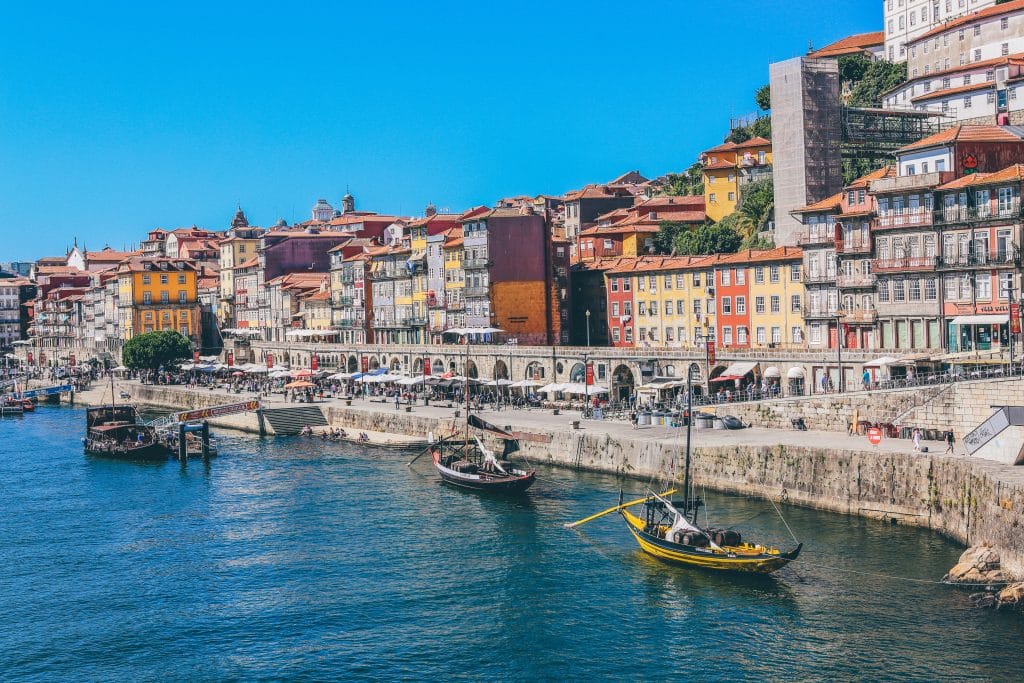
Once there, all you have to do is apply for a residence permit within 40 days of arrival to be able to live in Portugal.
Portugal is also ranked 7th safest country in the world according to the Global Peace Index. Its climate is mild, the population welcoming, and the living environment ideal, mostly coastal.
Spain for digital nomads
Spain is known for its Mediterranean climate, its convivial daily life (relaxation, the famous café con leche in the morning, local festivals, tapas evenings…) and, more recently, for its reception of remote workers.
The country has made available to them the Digital Nomad Visa, which is also valid for spouses as well as dependent children and parents.
Digital nomads also benefit from the new Beckham Law, which offers them tax benefits, including a fixed tax rate of 24% up to €600,000 of annual income, compared to a general rate of up to 48%.
For more information, see: the complete guide to living in Spain.
Latvia for investors and tech people
Thanks to its Golden Visa, Latvia facilitates the expatriation of foreign investors. Here are the main points to know about this program:
- An investment of €50,000 in real estate or a company;
- A residence permit for 5 years;
- The right to work and study in the country;
- A title also valid for the spouse and children.
Life in Latvia entices with its lush nature, its growing tech sector, and a cost of living that remains relatively affordable compared to other European countries.
Ireland for a dynamic labour market
Ireland offers many professional opportunities in a variety of sectors (commerce, finance, pharmaceuticals, technology, etc.) with an attractive tax system, especially for companies. The corporate tax rate is 15%, one of the lowest internationally.
It is possible to apply for and obtain a long-stay visa online through the AVATS platform.
The country greatly facilitates the procedures for certain qualified profiles with the Critical Skills visa, in particular for:
- Senior Managers and Directors in Healthcare
- Scientists (chemists, physicists, laboratory technicians, etc.)
- Engineers (civil, mechanical, etc.)
- IT Project Managers
- Doctors and pharmacists
- Midwives
Find out more in our dedicated article: how to move to Ireland?
Germany, since a reform that facilitates expatriation
In February 2026, Germany announced the launch of its digital platform, called Auslandsportal, which allows you to apply for a visa in a completely paperless way. Suffice to say that it makes things much easier!
Germany also rolled out the Chancenkarte visa (literally “opportunity card”) in 2024, aimed at qualified non-EU citizens. It allows you to live in Germany for 12 months to find a job, without the need for a prior contract.
In terms of taxation, it remains fairly traditional, with a progressive tax ranging from 14 to 45%. However, the living environment is particularly appreciated, especially for its safety, the quality of its infrastructure and the lively districts, in Berlin, Hamburg, Munich, or Cologne.
America: the 3 countries to settle easily
Canada for skilled profiles
Canadian immigration policy has long been favourable to foreigners, who currently make up 23% of the country’s population.
A new plan that has come into force at the federal level, running from 2026 to 2028, which promotes the issuance of long-stay visas for skilled expatriates, with the aim of supporting economic immigration.
Quebec has a similar plan, with an advantage for expats who are fluent in French.
Those who have been there know how good life is in Canada . There are huge green spaces, many possibilities for road trips as a couple or as a family, and a dynamic job market.
Not to mention the ease of integration, as it’s easy to communicate with the locals in English or French.

Panama for a quick and easy installation
For a long time, Panama was mainly known as a tax haven. This continues today thanks to a rather advantageous tax system compared to other countries, with a tax rate of 15 to 25% on locally generated income.
In terms of residence permits, the Paises Amigos Visa program allows citizens of about 50 countries (France, Luxembourg, Belgium, Switzerland, etc.) to benefit from an accelerated process that facilitates residency, with a residence permit valid for 2 years and a work permit.
Panamanian daily life is attractive, with a tropical climate, modern infrastructure in Panama City, and extraordinary natural resources!
Uruguay, the No. 1 destination in South America
We don’t hear much about it, but Uruguay is attracting more expats. You can choose between several types of visas:
- Annuitant: for financially independent people;
- Retired: for people receiving a retirement pension;
- Investor: for people who want to invest €438,000 or more;
- Digital nomad: for teleworkers;
- Professional: for employees of local companies.
The procedures are rather simple, with the most common procedure being to enter the country as a tourist, then apply for a suitable residence permit.
It should also be noted that Uruguay is considered one of the safest countries in the region, with a widely recognized quality of life.
Finally, if you receive income from abroad, you can benefit from an 11-year “tax holiday”, with taxation limited only to your local income.
Asia: the 2 easiest destinations to move to
Thailand for an idyllic and accessible living environment
For those who want to live as close as possible to Asian culture, Thailand is ideal. The procedures are simple and require obtaining one of the main visas available:
- Wealthy Global Citizen: for nationals who have assets of at least €860,000, have an income of €69,000 per year or wish to invest €430,000;
- Wealthy Pensioner: for retirees;
- Worker: for working professionals;
- Highly Skilled Professional: for highly qualified professionals.
The request is fully digitized, and you will receive a response within 30 working days.
Thailand also has a strong economy, with an idyllic living environment and a lush natural heritage. Read also: the guide to settling in Thailand.
Singapore to develop your professional career
Despite the country’s small size, Singapore has great assets. Administrative procedures are simplified, with the granting of flexible and fast long-stay permits, as well as numerous visa options.
This city-state is known to be a major financial hub, a real global economic destination.
In terms of taxation, the country is very competitive, with a tax rate ranging from 0 to 20%.
The only downside, however, is Singapore’s cost of living, which is often significantly higher than in most countries in Asia, and even Europe.
In Africa: Mauritius, a destination of choice for expats
Mauritius is certainly the No. 1 destination for expats in Africa. It must be said that living in Mauritius has many advantages:
- A type of residence permit (Occupation Permit) valid for 3 years to live and work;
- A low tax rate of 15%;
- A relatively affordable cost of living, especially compared to Europe.
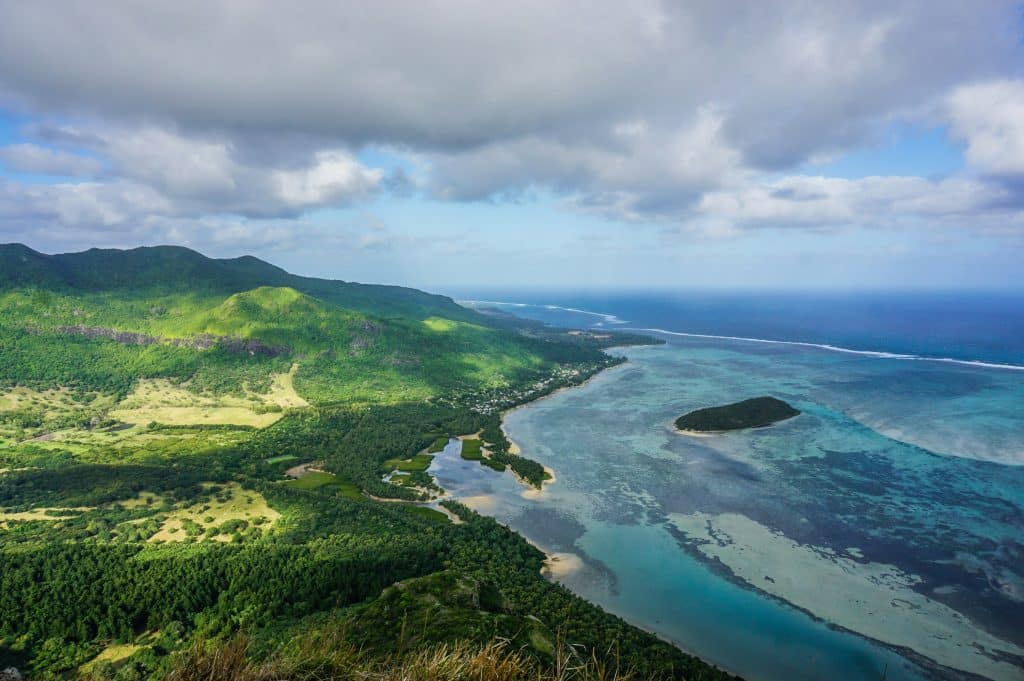
Life here is like a year-round vacation near the beaches, with a moderate tropical climate and a relaxed atmosphere.
However, be prepared to do some paperwork. Very few services are digitized in Mauritius, which is a small inconvenience.
Our final word
Depending on your personal situation, it may be useful to compare several destinations to get a better idea of which options are suitable for your project.
Other countries such as Georgia, Estonia, Malta, Qatar, and Switzerland, are popular destinations for expats in 2026, with relatively simple procedures and some of the highest salaries in the world.
The United Kingdom, as well as New Zealand can also be interesting for an easy expatriation project, while Australia and New Zealand have a points-based visa system. Northern European countries also stand out for their excellent public health coverage, with Denmark recognized as the least corrupt country, and Finland ranks as the happiest country in the world in 2023.
From experience, we advise you to choose a country that corresponds to your priorities and with which you have a genuine cultural affinity.
Each expat has his or her own criteria:
- A living environment close to the sea, in a big city, or both;
- Europe, Asia, or another region of the world;
- A specific local language (English, Spanish, French, etc.);
- Professional opportunities in a specific sector, etc.
Don’t rush! If in doubt, take a long tourist stay in the country before considering living there for more than three months. This will give you a better understanding of the local culture and introduce you to key procedures and administrative borders before making that big migration step.
Related posts

Why expats move abroad: What makes people start again somewhere else?
Nearly a quarter of a million people emigrated from the UK last year. In this blog, we dig into the…

Insurance for children moving overseas: Why health insurance is one of the best things to give them
When your child leaves home, it can be stressful, whether that’s down the road or halfway across the world. But…