Key takeaways – the most walkable cities
- In walkable cities, daily activities naturally encourage physical activity without requiring dedicated exercise routines.
- Studies show that walking regularly can improve physical health, reduce stress, and support overall wellbeing.
- Cities such as Copenhagen, Tokyo, Barcelona, Singapore, and Amsterdam combine pedestrian-friendly infrastructure, efficient public transport, and accessible green spaces.
- Exploring a city on foot helps expats build routines, gain independence, and connect more easily with their local community.
Why walkability matters more than ever
When you imagine your lifestyle abroad, you probably hope to be very healthy. Your thoughts go to in-style gyms, expensive wellness trends, or even strict fitness routines. But in reality, one of the biggest influences on your health can be surprisingly simple: walking.
The city you live in shapes your everyday habits far more than you might realise. If your neighbourhood encourages walking, chances are you naturally move more, spend more time outdoors, and even feel less stressed. And the opposite is true too. In cities built entirely around cars, healthy routines often become something you have to actively schedule rather than something that happens out of necessity.
For expats especially, walkability can completely change your experience of daily life abroad. A walkable city does not just help you stay physically active. It helps you feel connected, independent, and part of your environment. And honestly, there is something deeply satisfying about walking to your favourite bakery, local café, grocery store, or park, instead of spending your life stuck in traffic or waiting for public transport.
What makes a city truly walkable?
Walkability is more than wide sidewalks. A genuinely walkable city usually combines a nice, safe pedestrian infrastructure, easily accessible public transport, nearby shops and services, loads of green spaces and parks, and bike-friendly streets. Plus a sense of safety and comfort outdoors.
In the best walkable cities, daily errands become part of an active lifestyle almost without effort. You just head out to run your errands. Research consistently supports this. According to studies published in the American Journal of Preventive Medicine, people living in walkable neighbourhoods are generally more physically active and have lower risks of obesity and cardiovascular disease.
But it’s not only about the physical benefits. There is another factor people regularly underestimate – your mental wellbeing. Walking creates natural moments of pause throughout the day. You notice your surroundings more, interact with people, and feel less isolated.
For expats navigating a new country, this can have a huge impact on emotional adjustment. The multifaceted benefits of walking go far beyond fitness alone. Let’s look at some of the most walkable cities in the world.
Copenhagen: where healthy living feels effortless

Copenhagen is often considered one of the healthiest and most walkable cities in the world, and once you visit, you will understand why. The city is designed around people, not cars. You will find wide sidewalks, pedestrian zones, bike lanes, public parks, and beautiful waterfront spaces, that all encourage movement.
Many residents walk or cycle daily without even thinking of it as exercise, it’s just part of “normal” life. And that exactly is the magic of walkability: healthy habits stop feeling like work.
For expats interested in living in Denmark, Copenhagen also offers an excellent work-life balance and strong public infrastructure, making it easier to build routines that actually feel sustainable and easy to feel at home.
Tokyo: surprisingly walkable despite its size

When you first arrive, Tokyo may seem overwhelming. It is massive, busy, and constantly moving. But don’t be fooled! Underneath that intensity lies one of the most pedestrian-friendly urban environments in the world.
You will find that most neighbourhoods are built around train stations, meaning daily life naturally happens on foot. People that live here usually walk to their local restaurants, convenience stores, parks and public transport. And because public transportation is so efficient, people often walk far more than they realise.
Not surprisingly, Japan also has one of the highest life expectancies globally, and urban walkability is often considered part of the reason. For those considering living in Japan as an expat, Tokyo demonstrates how a large metropolitan area can still encourage an active and healthy lifestyle.
Barcelona: movement built into daily life
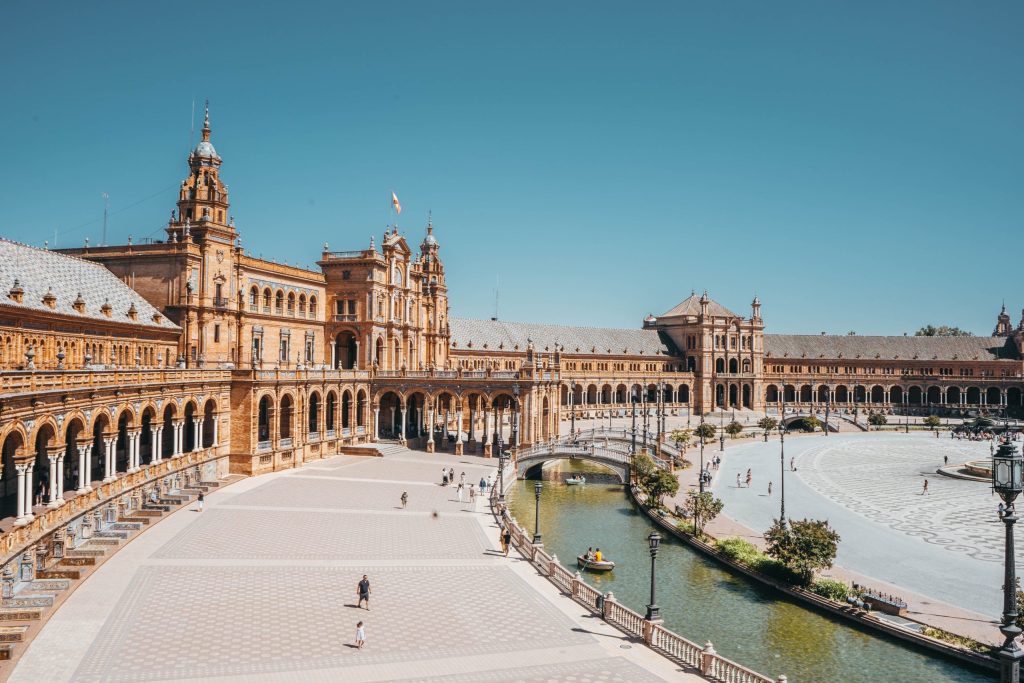
Barcelona offers a very different kind of walkability. Here, healthy living feels social. The city’s compact layout, pedestrian-friendly streets, beach promenades, and outdoor café culture encourages people to spend time outside year-round.
Leisurely evening walks will become part of your lifestyle rather than a fitness goal in itself. Barcelona’s famous “superblocks,” designed to reduce car traffic and increase pedestrian space, also help improve air quality and public wellbeing.
For expats considering living in Barcelona, this creates something many people search for but struggle to find: a healthier lifestyle that still feels relaxed and enjoyable.
Singapore: clean, green, and surprisingly active

Singapore is another standout example of a walkable city. Despite its tropical climate, Singapore has invested heavily in walkable neighbourhoods, covered walkways, green urban planning and extensive public parks and gardens. This results in a city where movement is naturally integrated into daily life.
What also makes Singapore appealing for expats is its strong healthcare infrastructure and focus on overall wellbeing. Clean public spaces, safety, and efficient transport systems all contribute to a healthier environment.
This is why moving to Singapore as an expat remains a popular choice among internationally mobile professionals.
Amsterdam: everyday movement without effort

In Amsterdam, active transportation is simply normal life. People always walk. People always cycle. It’s just a normal means of transportation here. And because the city centre is compact and pedestrian-friendly, even basic errands involve movement. Instead of planning workouts around a sedentary lifestyle, activity becomes automatic.
And that difference matters more than you might think. Studies consistently show that small amounts of daily movement accumulated throughout the day can have significant long-term health benefits.
For those thinking about living in Amsterdam, this active lifestyle is one of the city’s greatest strengths and a key contributor to overall wellbeing.
Why walkable cities are especially important for expats
Relocating abroad can be super exciting, but also emotionally exhausting. Everything is unfamiliar and you might struggle with the new language, as you miss your daily routines and struggle with unfamiliar transportation systems and social structures.
In a walkable city, adapting feels easier because you interact with your environment more directly on foot. You naturally explore neighbourhoods as you get to know the city. You build routines faster. You feel less dependent on cars or complicated logistics when daily essentials are often within walking distance. And not to forget and perhaps most importantly, walking itself can become a form of stress relief during major life transitions.
Healthy habits start with your environment
One of the biggest misconceptions about health is that it is purely about discipline. In reality, environment matters enormously. If your city makes healthy choices easier, you are far more likely to stay active, spend time outdoors, maintain social connections, meet friends, and reach everyday food options on foot. It also becomes easier to eat locally without relying on a car, and reduce stress levels.
This is why many expats today prioritize lifestyle quality over purely financial considerations when choosing where to live.
Healthcare matters too
Of course, healthy living is not just about movement and fresh air. Access to reliable healthcare also plays a crucial role in your long-term wellbeing abroad. Even in the healthiest cities, unexpected medical needs can arise at the blink of an eye. And having international health insurance coverage can help you as an expat to access quality care with confidence, especially while adapting to a new healthcare system. Providers such as Global Health support internationally mobile individuals and families with flexible global healthcare solutions, helping them focus on enjoying life abroad rather than worrying about medical access.
The emotional side of walkable living
There is something deeply human about walkable cities. You notice small things and get to know your environment better. The café owner starts to greet you in the morning, you get enticed by the fresh products from the local market you pass every day, you discover a local park to clear your head after work. These moments create connection. And for expats, connection is often what transforms a place from temporary into home.
And this is why the most walkable cities in the world offer more than just mere convenience. They create environments where healthier habits happen naturally. Whether it is Amsterdam’s bike culture, Tokyo’s pedestrian infrastructure, or Barcelona’s outdoor lifestyle, these cities show that wellbeing is often built into the rhythm of daily life itself. And when choosing where to live abroad, that matters more than you might expect. Because sometimes, the healthiest change is not joining a gym or starting a strict routine. Sometimes, it is simply living in a place that makes you want to walk.
Related posts

The hidden risks of smiling depression
Logic tells us that if a person has a good sense of humour and is always smiling, they must be…

Insurance for children moving overseas: Why health insurance is one of the best things to give them
When your child leaves home, it can be stressful, whether that’s down the road or halfway across the world. But…