Ecuador attracts expatriates with its varied landscapes, historic cities, relatively affordable lifestyle and established international communities. From Quito and Cuenca in the Andes to Guayaquil on the coast, the country offers several attractive locations for people planning a new life abroad.
Before relocating, it is important to understand how healthcare is organised and which services will be available to you. Ecuador has a mixed healthcare system comprising public facilities operated by the Ministry of Public Health, social security hospitals managed by the Ecuadorian Social Security Institute and an extensive private medical sector.
Public healthcare is intended to provide broad access to essential services, while eligible employees and voluntary contributors can obtain healthcare through the Instituto Ecuatoriano de Seguridad Social, commonly known as IESS. Private hospitals and clinics are also widely used, particularly by expatriates who want faster appointments, greater provider choice or more comfortable facilities.
The quality and availability of healthcare vary considerably across the country. Quito, Guayaquil and Cuenca have major hospitals, specialist centres and modern private clinics. Smaller cities, rural areas, the Amazon region and the Galápagos Islands may offer fewer specialists and limited access to complex treatment.
International health insurance can provide access to Ecuador’s private healthcare sector while also covering treatment in other countries. Depending on the policy, it may include medical evacuation and repatriation when appropriate care is unavailable locally.
Below, you will find the essential information about healthcare and health insurance in Ecuador as an expatriate.
Key takeaways
- Ecuador has public, social security and private healthcare systems operating alongside one another.
- The Ministry of Public Health manages a nationwide network of public health centres and hospitals.
- IESS provides medical services to eligible employees, voluntary contributors, pensioners and registered dependants.
- Private hospitals and specialists are concentrated mainly in Quito, Guayaquil, Cuenca and other larger cities.
- International insurance can provide faster private access, treatment abroad and medical evacuation from remote regions.
An overview of Ecuador’s healthcare system
Ecuador’s healthcare system includes several public institutions as well as private hospitals, clinics, laboratories, pharmacies and medical practices.
The Ministry of Public Health, known locally as the Ministerio de Salud Pública or MSP, operates the principal public healthcare network. Its facilities include local health centres, general hospitals and specialist hospitals.
The Ecuadorian Social Security Institute operates a separate network for qualifying insured people. IESS healthcare is funded through social security contributions made by employees, employers, independent workers and voluntary members.
Additional social security systems serve members of the armed forces and national police. Private providers form the country’s complementary healthcare network and may also deliver treatment to public or IESS patients under specific agreements.
The public system is organised into different levels of care. Primary healthcare centres provide general consultations, preventive medicine, vaccinations and basic maternal and child healthcare. Patients requiring more advanced diagnosis or treatment may be referred to secondary or tertiary hospitals.
Public healthcare through the Ministry of Public Health
MSP facilities provide a wide range of medical services, including:
- General medical consultations
- Emergency care
- Vaccinations and preventive medicine
- Maternal and child healthcare
- Diagnostic examinations
- Hospital treatment and surgery
- Mental healthcare
- Management of infectious and chronic diseases
- Specialist services following a referral
Public healthcare centres are found throughout Ecuador, including in smaller towns and rural communities. They are often the first point of contact for people who are not affiliated with IESS or who cannot afford private treatment.
Patients normally begin at a local health centre and are referred to a hospital when specialist assessment, surgery or more complex treatment is necessary. Appointments for certain MSP services can be arranged through the national healthcare contact system, although local procedures may differ.
The cost of public treatment is generally low or publicly funded, but access to specific services, medicines and diagnostic tests can depend on local availability. Patients may sometimes need to purchase medicines or tests privately when they are unavailable within a public facility.
Expatriates should bring their Ecuadorian identity document, passport or other immigration documentation when requesting treatment. Administrative requirements can vary, so residents should ask their nearest MSP centre which documents are needed for registration and appointments.
How IESS health coverage works
The Instituto Ecuatoriano de Seguridad Social provides health insurance and other social security benefits to affiliated workers, pensioners and other qualifying members.
Employees working formally in Ecuador are generally registered with IESS by their employer. Contributions are deducted from the employee’s salary, while the employer pays an additional contribution.
Foreign nationals who work independently or do not have a formal employment relationship may be able to join IESS voluntarily if they satisfy the applicable requirements. According to the IESS affiliation portal, voluntary and independent affiliation is available to adults with an Ecuadorian identity number or foreign identification code, provided they do not have outstanding obligations to the institution.
IESS health benefits can include:
- Preventive healthcare
- General and specialist consultations
- Dental treatment
- Maternity care
- Laboratory tests and diagnostic imaging
- Hospitalisation and surgery
- Rehabilitation
- Treatment for chronic and serious illnesses
- Sickness and maternity benefits in qualifying cases
Coverage may also be extended to certain registered dependants, although additional contributions or administrative steps may be required. Expatriates should confirm when their medical entitlement begins because contribution requirements or waiting periods may apply to particular services.
Official details about affiliation and current benefits are available through the IESS affiliation portal.
Using IESS doctors and hospitals
IESS members generally receive treatment through the institution’s own health centres and hospitals. Appointments can usually be requested through the IESS online portal, mobile services or telephone system.
The IESS network includes general practices, outpatient centres and hospitals in different parts of Ecuador. If a service is unavailable within the network, IESS may refer the patient to an external provider that has an agreement with the institution.
Although IESS offers extensive benefits, members may experience delays when booking popular specialists, examinations or non-urgent procedures. Availability varies between cities and medical departments.
Expatriates should keep their affiliation information up to date and verify that contributions have been registered correctly. A delay or administrative error in payments can affect access to services.
IESS coverage can be valuable for routine and long-term healthcare, but some expatriates maintain private or international insurance alongside it. This gives them another option when appointments are unavailable or when they prefer a particular private hospital.
Private healthcare for expatriates in Ecuador
Ecuador has a substantial private medical sector, especially in Quito, Guayaquil and Cuenca. Private hospitals, specialist practices, dental clinics, laboratories and diagnostic centres are also available in several medium-sized cities.
Many expatriates choose private care because appointments are often available more quickly and facilities may provide greater comfort and administrative support.
Advantages of private healthcare may include:
- Faster appointments with doctors and specialists
- Modern private hospitals and diagnostic equipment
- Greater choice of medical professionals
- Direct access to some specialists
- Private or semi-private hospital rooms
- More predictable appointment times
- English-speaking doctors in major expatriate destinations
Spanish is the principal language used in Ecuadorian healthcare. Some doctors in larger private hospitals speak English, particularly those who have trained internationally, but English-speaking assistance should never be assumed.
Private medical treatment is generally more affordable than in countries such as the United States, but hospitalisation, surgery, cancer treatment and intensive care can still result in substantial expenses.
Hospitals may request a deposit, credit card authorisation or guarantee of payment before admitting a patient for planned treatment. In an emergency, immediate stabilisation should take priority, but financial arrangements may still need to be addressed soon afterwards.
Before receiving treatment, insured patients should check whether the hospital has a direct-billing agreement with their insurer. If not, they may need to pay personally and submit the invoices for reimbursement.
Differences in healthcare between regions
The standard and availability of healthcare depend heavily on location. Quito, Guayaquil and Cuenca have the broadest selection of hospitals, specialists and advanced diagnostic services.
Quito has major public, IESS and private hospitals and is an important centre for complex treatment. Guayaquil is the largest city in the country and has an extensive network of private clinics and specialist facilities. Cuenca is popular with international retirees and has several established public and private healthcare providers.
Smaller provincial capitals usually provide general hospital care, but some specialised procedures require a transfer to one of the larger cities.
Healthcare access can be more limited in:
- Remote Andean communities
- Rural coastal regions
- The Amazon basin
- Border areas
- The Galápagos Islands
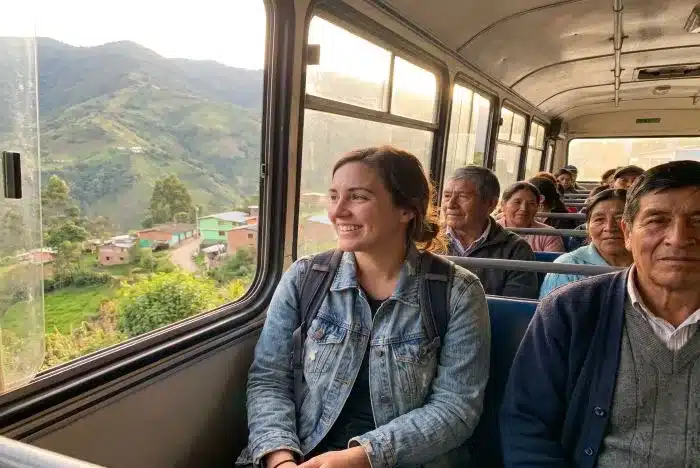
Expatriates living outside a major city should identify the nearest emergency department and determine where they would be sent for specialist or intensive care. They should also check whether their insurance covers ambulance transport, domestic air transfers and accommodation near a regional medical centre.
Specialist treatment and medical evacuation
Ecuador’s leading hospitals can treat many serious and complex conditions. Cardiology, oncology, orthopaedics, maternity care and numerous surgical specialties are available in the principal cities.
Nevertheless, very rare conditions or procedures requiring highly specialised equipment may need to be treated outside the country. Some expatriates may also prefer to receive complex treatment in the United States, Europe or their home country.
Medical evacuation is particularly important for people living in the Galápagos, the Amazon or another remote location. A patient may first need transportation to Quito or Guayaquil before an international transfer can be arranged.
An international insurance policy may cover evacuation to the nearest suitable medical facility when adequate treatment is unavailable locally. Repatriation coverage may allow the patient to return to their home country, depending on the terms of the plan.
These services can be extremely expensive when paid for privately. Expatriates should check whether their policy covers both domestic and international transfers, medical escorts and air ambulance services.
The insurer should be contacted before organising an evacuation whenever the medical circumstances allow. Transfers arranged without prior authorisation may not be reimbursed.
Emergency medical assistance in Ecuador
The national emergency telephone number in Ecuador is 911. The integrated emergency service coordinates ambulances, police, firefighters and other emergency assistance.
Ambulance availability and response times vary significantly. Major cities generally have more emergency resources, while reaching remote or mountainous locations can take longer.
Private hospitals and insurers may operate their own ambulance services or work with specific emergency transport providers. Expatriates should save the relevant numbers in advance rather than relying entirely on internet access during an emergency.
People with serious medical conditions should keep a short medical summary, list of medications, allergy information and emergency contact details in Spanish. This can help healthcare professionals make faster decisions when the patient cannot provide the information personally.
Pharmacies and medication availability
Pharmacies are widely available across Ecuador, and large cities have several national and regional pharmacy chains. Some pharmacies operate extended hours, while 24-hour services are more common in major urban centres.
A range of medicines is available without a prescription, but antibiotics, controlled medicines and other regulated products require an appropriate medical prescription. ARCSA, Ecuador’s national health regulation and control agency, advises consumers to purchase medicines only from authorised pharmacies and to check that products carry a valid national health registration.
Brand names can differ from those used in Europe, North America or elsewhere. Pharmacists and doctors frequently identify medicines by their active ingredient rather than the international brand.
Imported, specialised and high-cost medicines may be difficult to obtain or may only be available through particular pharmacies. Supply can also be less consistent outside the largest cities.
Expatriates receiving ongoing treatment should:
- Check whether the active ingredient is available in Ecuador
- Bring a medical letter explaining the condition and treatment
- Carry copies of current prescriptions
- Keep medicines in their original labelled packaging
- Confirm the rules before importing controlled medication
- Avoid changing brands or dosages without medical advice
- Identify a reliable local pharmacy after arriving
Information about medication safety and authorised pharmacies is available from ARCSA.
Maternity care in Ecuador
Maternity services are available through MSP hospitals, the IESS system and private clinics. Public facilities provide prenatal care, delivery and postnatal services, while eligible IESS members can receive maternity care through the social security network.
Private maternity packages are available in major cities and may offer a private obstetrician, planned hospital arrangements and more comfortable accommodation.
Maternity benefits under private or international insurance usually have a waiting period. An expatriate who is already pregnant when purchasing a policy may find that routine pregnancy and delivery are excluded.
Anyone planning a pregnancy should compare maternity limits, newborn coverage, complications of pregnancy and neonatal intensive care benefits before selecting a policy.
Dental and optical treatment
Many expatriates use private dentists because appointments are relatively accessible and treatment can be less expensive than in their home country. Nevertheless, prices depend on the procedure, materials and clinic.
Dental care is available through private clinics throughout Ecuador and through IESS for eligible members. Public dental services may also be available within certain MSP programmes and health centres.
International health insurance does not always include routine dental or optical treatment. These benefits may need to be added separately and are often subject to annual limits, deductibles and waiting periods.
Before undergoing extensive treatment, patients should request a written estimate and ask whether laboratory, imaging and prosthetic costs are included.

Health insurance options for expatriates in Ecuador
Expatriates can combine different forms of healthcare protection depending on their employment status, residency arrangements and personal priorities.
IESS social security coverage
Foreign employees are generally affiliated with IESS through formal employment. Independent expatriates may be eligible to join voluntarily.
IESS can provide broad healthcare benefits within Ecuador, but access is usually tied to the institution’s network and appointment system. It does not normally provide comprehensive international treatment or repatriation coverage.
Local private health insurance
Ecuadorian insurers and prepaid medical companies offer local healthcare plans. These policies may provide access to a specified network of private hospitals, doctors and clinics.
Local insurance can be suitable for residents who expect to receive all treatment in Ecuador. However, policies may include regional restrictions, hospital networks, waiting periods, co-payments and limits on particular services.
Expatriates should check how pre-existing conditions, cancer care, intensive care, maternity treatment and prescription medicines are covered.
Employer-sponsored insurance
Some employers provide additional private medical insurance alongside IESS affiliation. Employees should confirm whether the plan covers only the employee or also includes registered partners and children.
They should also check whether the policy ends immediately when employment terminates and whether it can be converted into an individual plan.
International private medical insurance
International insurance may be preferable for expatriates who want private treatment in Ecuador combined with access to healthcare abroad.
Depending on the selected policy, benefits may include:
- Private hospital treatment in Ecuador
- Outpatient consultations and diagnostic tests
- Treatment in other countries
- Cancer and chronic illness care
- Medical evacuation and repatriation
- Direct billing with selected hospitals
- Multilingual emergency assistance
- Continued protection after another international move
Policies should be reviewed carefully for deductibles, annual limits, exclusions, geographical areas and pre-authorisation requirements. Expatriates should also confirm whether the United States is included or excluded because its inclusion can have a significant effect on premiums.
Global Health: international cover created for expatriates
At Global Health, we specialise in international health insurance solutions created specifically for expatriates and globally mobile individuals.
We understand that moving abroad involves important decisions about public eligibility, hospital access, regional healthcare differences and emergency treatment. We help expatriates obtain reliable medical protection wherever they choose to live.
With Global Health, you benefit from:
- Worldwide healthcare coverage, including Ecuador and your home country
- Access to private hospitals and specialist clinics
- Emergency medical evacuation and repatriation assistance
- Multilingual support available 24/7
- Access to a second medical opinion through Teladoc Health
- Additional wellness services, including mental health support and fitness programmes
For more than 20 years, we have been helping expatriates around the world enjoy quality healthcare with confidence and peace of mind.
Discover today our plans in just a few clicks
Healthcare preparations before moving to Ecuador
Organising medical care before arrival can prevent unexpected costs and administrative problems.
Confirm IESS arrangements: ask your employer when your affiliation begins, when healthcare benefits become active and whether dependants must be registered separately.
Compare hospital networks: check which private hospitals and specialists are included in your insurance plan, particularly in the city where you intend to live.
Verify residency requirements: confirm whether evidence of public or private health insurance is required for your particular residence visa or immigration procedure.
Prepare Spanish medical records: carry a summary of existing conditions, allergies, prescriptions and previous treatment. A Spanish translation can be useful in an emergency.
Check regular medication: make sure the correct active ingredient and dosage are available and determine whether a local prescription will be necessary.
Plan for remote locations: if you intend to live in the Galápagos, the Amazon or a rural area, examine domestic evacuation and emergency transport benefits carefully.
Locate authorised providers: ACESS regulates and monitors public and private healthcare establishments. Its online service allows users to check registered professionals and facilities with valid operating permits.
Save emergency numbers: call 911 for urgent medical assistance and keep your insurer’s 24-hour emergency number readily accessible.
Ecuador provides expatriates with several healthcare options, ranging from public MSP facilities and IESS social security services to modern private hospitals. Access is strongest in Quito, Guayaquil and Cuenca, while people living in remote regions may face longer journeys for specialist treatment.
With appropriate preparation and insurance suited to personal circumstances, expatriates can use Ecuador’s established healthcare network while maintaining greater choice, flexibility and financial protection.
Other guides for Ecuador
-

 Georgia
-
 Paraguay
-
 Seychelles