Ecuador is one of South America’s most appealing countries for expats. Living in Ecuador means a lower cost of living, stunning natural diversity, and a gentler pace of life without feeling completely cut off from modern-day comforts. But it also requires realistic preparation around language, bureaucracy and healthcare.
Get your head around that, and this relatively small country rewards you with Andean cities, Pacific beaches, the Amazon rainforest and, not to forget, the Galápagos Islands.
For Europeans and other English-speaking expats – including retirees, remote workers, families and digital nomads – Ecuador has several clear advantages. The country uses the US dollar, which makes budgeting easier. Private healthcare is affordable by international standards. Popular expat cities such as Cuenca, Quito, and Manta already have established foreign communities.
At the same time, Ecuador is not a place to approach casually. Bureaucracy can be slow, Spanish is essential outside expat circles, and healthcare quality can vary significantly between major cities and rural areas.
If you are thinking of moving to Ecuador, good preparation will make your relocation much smoother, and this guide helps you compare the practical essentials: cost of living, geography, paperwork, visa routes, housing, healthcare, transport, schools, work options and day-to-day tips so you can choose the right location and services before you move.
The pros and cons of living in Ecuador in South America
Pros
- Ecuador offers a relatively low cost of living compared with Europe, the UK and North America. According to Numbeo, estimated monthly costs excluding rent are around $502 for a single person and around $1,860 for a family of four.
- The country also uses the US dollar, which removes currency-exchange uncertainty for many expats. This is particularly useful for retirees, remote workers and families managing international income.
- Ecuador’s geography is another major advantage. Expats can choose between spring-like mountain climates, coastal living, rainforest regions, and cooler highland towns. Cuenca, Quito, Manta, and Loja all offer very different versions of expat life.
- Ecuador lies on the equator, giving you more consistent weather and day-length all year round.
Cons
- The main challenge is the language barrier. English is spoken in some private clinics, schools, hotels and expat-friendly businesses, but Spanish is the local language. The more you learn the native tongue, the better.
- Security also requires common sense, especially in larger cities and certain coastal areas. Crime and homicide rates rose between 2021 and 2023, and risks are generally higher in coastal cities like Guayaquil and Esmeraldas. Some neighbourhoods in Quito are also considered dangerous for tourists, so expats should check local guidance before choosing an area.
- Administrative procedures can feel inconsistent. Documents often need to be apostilled, translated and submitted in a very specific format, and the country’s political situation is considered unstable by many. Ecuador has experienced multiple attempted coups in the past 20 years, which adds to the broader unpredictability expats should monitor.
- Healthcare access is another point to consider. Private care in Quito, Cuenca, and Guayaquil can be excellent, but rural healthcare is more limited.
Administrative procedures when moving to Ecuador
Many European and English-speaking nationals can enter Ecuador as tourists for up to 90 days in a 12-month period. The UK government also states that visitors can apply for an extra 90-day extension before the first period expires.
For a longer stay, expats generally need a temporary residence visa. Ecuador’s temporary residency system usually grants residence for up to two years. After a period of lawful residence, expats may apply for permanent residency, provided they meet the conditions.
Common visa routes include:
- Pensioner visa
- Rentista or digital nomad-style visa
- Investor visa
- Professional visa
- Dependent visa
For many income-based visas, the 2026 threshold is linked to Ecuador’s minimum wage. Ecuador’s basic minimum salary rose to $482 per month in 2026. Several residency routes use three times this amount, or around $1,446 per month, as the income requirement.
Typical documents you need to provide include:
- Valid passport
- Criminal record certificate
- Birth or marriage certificates, where relevant
- Proof of income or pension
- Proof of health insurance
- Passport photos
- Apostilled and translated documents
But be aware that requirements can change, so expats should always confirm the latest rules with an Ecuadorian consulate or immigration lawyer before applying.
Getting your cédula and tax registration
Once your residency visa is approved, the next important step is usually applying for a cédula, Ecuador’s national identity card.
This card is useful for:
- Opening a bank account
- Signing contracts
- Accessing healthcare
- Registering for utilities
- Dealing with public offices
If you plan to work independently, invoice clients or start a business, you may also need a RUC, Ecuador’s tax registration number.
Finding accommodation in Ecuador
Most expats rent before looking into buying their own property in Ecuador. This gives them time to understand the climate, safety, local transport and healthcare access in different areas.
Popular places to live include:
Quito
Quito is the capital and a good choice for professionals, families and expats who want access to international schools, hospitals, embassies and cultural life; rent in Quito commonly ranges from about $350 to $700 per month depending on the area and apartment type. It sits high in the Andes, so newcomers should be prepared for high altitude. Some neighbourhoods in Quito are considered more dangerous for tourists, so choosing the right area matters.
Cuenca
Cuenca is one of Ecuador’s most popular expat cities, especially among retirees. It offers colonial architecture, a mild climate, good private healthcare, a slower pace of life, and a walkable historic centre. Utilities in Cuenca can also stay under $100 per month, which adds to its appeal for retirees on a budget. Numbeo data suggests Cuenca is around 10% cheaper than Quito when rent is included.
Manta
Manta appeals to expats looking for coastal living, warmer weather and access to the Pacific. It is popular with retirees and remote workers who prefer the beach to the mountains.
Loja
Loja is quieter and less international than Cuenca or Quito, but it offers a peaceful lifestyle and lower living costs.
Approximate monthly rents:
| Property type | Quito | Cuenca | Manta | Loja |
|---|---|---|---|---|
| 1-bedroom apartment | $350 – 650 | $300 – 550 | $350 – 700 | $250 – 450 |
| 3-bedroom apartment | $700 – 1,300 | $600 – 1,100 | $700 – 1,400 | $500 – 900 |
| Modern expat-standard home | $1,000+ | $900+ | $1,000+ | $700+ |
Prices vary sharply by neighbourhood and building quality. In smaller markets or older listings, the price of a house can still come in under USD 50,000, and annual property taxes are typically low.
The cost of living in Ecuador
Ecuador remains affordable for many expats, especially those earning income from abroad. A frugal single person may live on around $1,000 – 1,300 per month, while many couples can live comfortably on around $1,500 – 2,500 per month depending on lifestyle and location. Recent Cuenca-focused estimates place many couples in the $1,500 – 2,500 monthly range.
Typical everyday costs include:
- Local bus ride: around $0.35 – 0.45 in Quito
- Quito metro fare: $0.45
- Simple meal in Quito: can cost less than $3
- Short taxi trips in Cuenca: often around $2 – 4
- Private GP consultation: around $25 – 50
- Specialist consultation: around $40 – 80
- Dental check-up in Ecuador: often around $30
- Mid-range restaurant meal: around $8 – 18
- Internet: often $25 – 40 per month
- Fresh food from local markets is often affordable
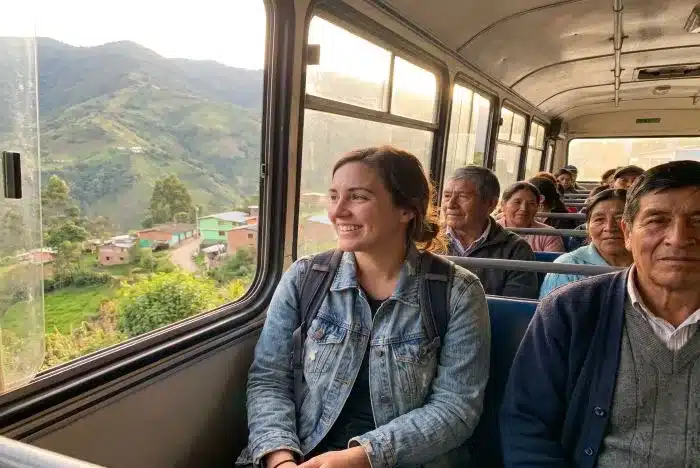
Quito’s metro fare is listed at $0.45, with reduced fares for students and seniors.
Compared with the UK, France or Germany, Ecuador is usually far cheaper for rent, transport, domestic services and private medical appointments. Imported goods, international school fees and high-end housing, however, can be expensive.
Getting around Ecuador
Public transportation is inexpensive. Buses are widely used, although comfort and reliability vary; public buses are also commonly cited as the number one place to get robbed in Ecuador, so keep valuables out of sight. Quito now has a metro line, which has improved north-south travel across the capital.
Taxis and ride-hailing apps are common in major cities, and many locals and expats prefer registered taxis or ride-hailing late at night for safety. Many expats avoid driving at first, particularly in Quito and Guayaquil, where traffic can feel intense.
For travel between cities, long-distance buses are affordable. Domestic flights are useful for longer routes, especially between Quito, Guayaquil, Cuenca, Manta and the Amazon region.
Family life and education in Ecuador
Ecuador can be a rewarding country for families, particularly those who enjoy outdoor life, cultural variety and a slower rhythm.
International schools are mainly found in Quito and Guayaquil. Popular options include:
- Colegio Menor Quito
- Colegio Menor Samborondón
- Academia Cotopaxi American International School
- British School Quito
- InterAmerican Academy in Guayaquil
Nord Anglia lists Colegio Menor Quito from around $7,991 per year and Colegio Menor Samborondón from around $6,600 per year. Other international schools can range from around $5,000 to $15,000 per year, depending on location and year group.
Families should choose their city carefully, as schooling options become more limited outside major urban areas.
Working in Ecuador
Ecuador is attractive for remote workers, freelancers and entrepreneurs, especially because of its lower living costs and dollarised economy.
Local salaries, however, are much lower than in Europe or North America. Expats earning international income are usually in a much stronger position than those relying on local employment.
Common expat sectors include:
- Remote work
- Tourism
- Education
- NGOs
- Consulting
- Real estate
- Online business
A suitable visa is essential if you plan to work legally or stay long term.
Taxation for expats
Tax residency depends on time spent in Ecuador and personal circumstances. Expats who live in Ecuador long term may become tax residents and should seek advice on local and international obligations.
This is especially important for retirees, business owners, digital nomads and anyone with income from more than one country.
Healthcare and private health insurance in Ecuador
Healthcare is one of Ecuador’s strongest relocation advantages, and affordable care is one of the practical benefits of living here, but it needs a realistic view.
The country has both public and private healthcare and health care. Residents may be able to access the public IESS system through social security as part of the broader healthcare system, while many expats also use private clinics and hospitals for faster service and English-speaking doctors. In the private system, a typical doctor visit often costs around $25.
Private care in Quito, Cuenca and Guayaquil can be very good. However, rural areas may have fewer specialists, less advanced equipment and longer travel times to quality hospitals.
This is where international health insurance becomes particularly valuable. A strong international policy such as offered by Global Health can offer access to private hospitals, medical evacuation, treatment abroad and support in English or another preferred language. Some expats also supplement IESS or basic cover with private health insurance for faster access and broader provider choice.
For retirees, families and internationally mobile professionals, this kind of cover can provide reassurance that local insurance alone may not offer.
Discover today our plans in just a few clicks.
Is Ecuador right for you?
Living in Ecuador can be an excellent choice for expats seeking affordability, natural beauty, private healthcare and a slower lifestyle. It is especially attractive for retirees, remote workers and families who are open to learning Spanish, adapting to a different administrative culture, and understanding a society shaped by indigenous heritage and a colonial past.
The key is preparation.
Choose your city carefully, understand the visa process, budget realistically and make healthcare planning a priority. For expats who do this well, Ecuador can offer a rich and surprisingly comfortable life abroad, with the added context that the country gained independence from Spain in 1822. If you have an idea or personal experience to share, add it in the comments on this post.
Other guides for Ecuador
-

 Georgia
-
 Paraguay
-
 Seychelles