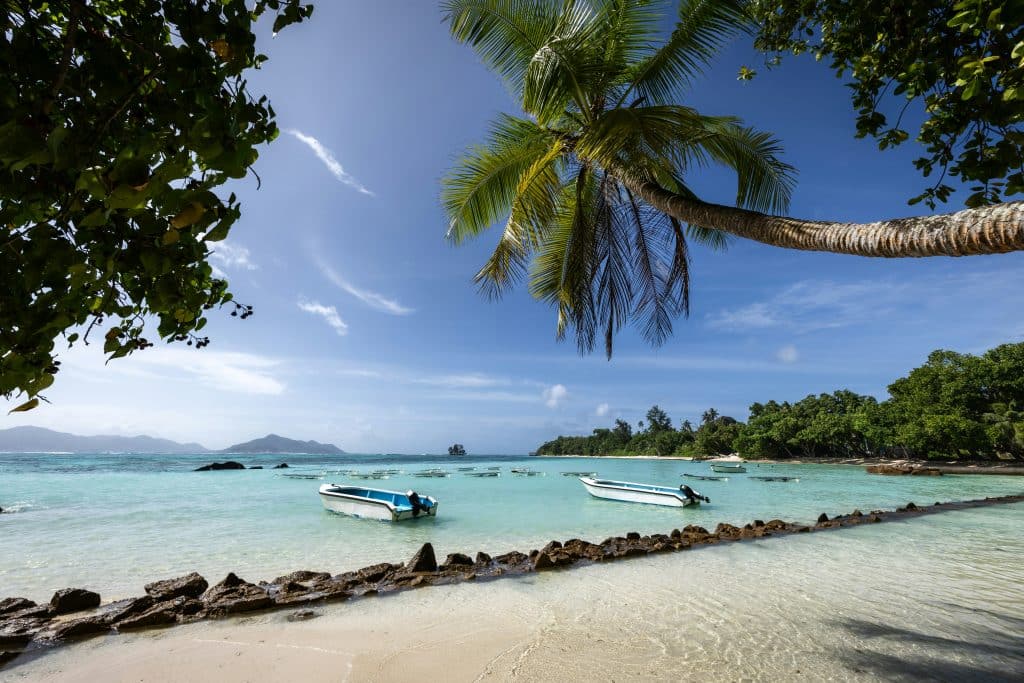
Dreaming of swapping crowded cities for the more laidback life living in New Zealand?
Life as a Kiwi offers a high standard of living, with friendly communities, a stable economy, spectacular coastlines and mountains, and a healthier work-life balance. But relocating there also takes careful planning around visa rules, housing costs, and the reality of geographical isolation. For expatriates, skilled professionals, families, and digital nomads considering the move, New Zealand remains one of the world’s most desirable places to live.
Moving to New Zealand affects more than your destination choice: it shapes your budget, job options, access to healthcare, schooling, and day-to-day routine. This guide explains what to expect before you relocate, covering visas and immigration, housing and accommodation, cost of living, transport, work opportunities, healthcare and health insurance, family life and education, and practical steps for settling in smoothly.
Key takeaways
- New Zealand offers an excellent quality of life, particularly for families, skilled professionals and outdoor enthusiasts.
- Housing is one of the biggest expenses, especially in Auckland and Wellington.
- Most expats require a work or residence visa before relocating.
- The public healthcare system is excellent, but many expatriates still choose international health insurance for greater flexibility.
- Careful financial planning makes settling in considerably easier.
The pros and cons of living in New Zealand
Moving to New Zealand can be incredibly rewarding, but like every relocation, it comes with both advantages and challenges.
Pros
- Excellent quality of life
- Beautiful natural scenery and outdoor lifestyle
- Safe and politically stable country
- Friendly and welcoming communities
- English-speaking environment
- Good work-life balance
- High-quality public and private healthcare
- Strong demand for skilled workers in several industries
Cons
- High housing costs in major cities
- Long distance from Europe and North America
- Expensive international travel
- Relatively small job market
- Public transport is limited outside larger cities
- Imported goods can be costly
- Older homes can sometimes suffer from poor insulation and dampness
Administrative procedures for moving to New Zealand
Obtaining the right to stay in New Zealand
Unlike many European countries, most foreigners need a visa before they can live or work in New Zealand.
The most common routes include:
- Accredited Employer Work Visa
- Skilled Migrant Category pathway to residence
- Student visas
- Partner visas
- Working Holiday visas (for eligible nationalities)
- Investor and entrepreneur visas
Each visa has different eligibility requirements based on employment, qualifications, English language ability, income or family circumstances. In general, permanent residency requires living in New Zealand on a resident visa for 2 years. New Zealand recognizes dual citizenship for new citizens.
Because immigration policies are updated regularly, it is advisable to confirm the latest requirements with Immigration New Zealand before making relocation plans.
Your first administrative steps for living in New Zealand
Once you arrive, there are several practical tasks to complete during your first weeks, and what you need to do in New Zealand depends on your visa type and personal circumstances.
These typically include obtaining your IRD number (New Zealand’s tax identification number), opening a local bank account, arranging a New Zealand mobile phone number and registering your address where required; the application process for these essentials is usually easier once your local documents are in order.
If you intend to drive long term, you should also check when your foreign driving licence needs to be converted into a New Zealand licence.
Getting these administrative tasks completed early makes renting accommodation, starting work and organising utilities much easier.
Finding accommodation in New Zealand
Most expatriates rent before buying property.
This allows newcomers to explore different neighbourhoods and understand commuting times before committing to a purchase.
Rental properties are usually advertised per week rather than per month, so compare New Zealand costs carefully. In addition to advance rent, landlords generally require a security bond.
Competition can be strong in Auckland, Wellington and Queenstown, particularly for well-maintained properties close to city centres. New Zealand’s property market has cooled since its post-pandemic peak, although local demand can still be strong.
One aspect many newcomers underestimate is housing quality, and rental costs do not always reflect warmth or energy efficiency. While New Zealand homes often look attractive from the outside, some older properties can be surprisingly cold during winter due to limited insulation or heating.
When viewing a property, ask about:
- Insulation
- Heating
- Ventilation
- Mould
- Sun exposure
- Double glazing

If you later decide to buy, property prices and house prices can still vary sharply by suburb, while sea freight may also affect your moving budget if you are shipping household goods.
A little research beforehand can make a significant difference to your comfort.
Popular property websites include Trade Me Property, realestate.co.nz and local letting agencies.
Where to live in New Zealand as an expat
Choosing where to live depends largely on your career, budget and lifestyle priorities.
Auckland
Best for: professionals, families and international careers
Auckland is New Zealand’s largest city and economic centre. It offers the country’s biggest job market, excellent healthcare, international schools and the largest expat community.
The downside is its cost. Housing is among the most expensive in the country, with a one-bedroom apartment typically costing NZD $2,000 – 2,400 per month, while traffic congestion can significantly increase commuting times. The average monthly cost is high, though average prices are still about 15% lower than in the U.S. excluding rent.
Wellington
Best for: government employees, creatives and technology professionals
New Zealand’s capital is smaller than Auckland but offers a vibrant cultural scene, walkable neighbourhoods and strong employment opportunities in government, IT and the creative industries.
Its windy climate and higher housing costs may not appeal to everyone, but many expats appreciate the friendly nature of New Zealanders and are drawn to Wellington’s laid back lifestyle as much as its cultural scene.
Christchurch
Best for: families and those seeking better value
Christchurch has reinvented itself following the earthquakes of the last decade.
Today it combines modern infrastructure with some of the most affordable housing in New Zealand and excellent access to nature, and as the largest city on the South Island it is particularly attractive for engineers, healthcare professionals and construction specialists.
Hamilton and Tauranga
Hamilton, on New Zealand’s North Island, offers lower housing costs than Auckland while remaining within reasonable travelling distance of the country’s largest city.
Tauranga, another city on the North Island, attracts retirees, families and remote workers looking for a coastal lifestyle with a warmer climate.
Queenstown and smaller towns
Queenstown is famous for skiing, hiking and adventure sports.
Although incredibly scenic, it also has one of New Zealand’s most expensive rental markets.
Smaller centres such as Nelson, Dunedin and Napier provide a slower pace of life and strong community spirit, although employment opportunities can be more limited.
Rental prices in New Zealand
Housing costs vary considerably between regions.
National average rental costs for a one-bedroom apartment are often cited at around NZD 925 to 1,130 per month, or about £821 for a city-centre unit.
| Property type | Auckland | Wellington | Christchurch |
|---|---|---|---|
| One-bed apartment | NZ$500 – 700 / week | NZ$480 – 650 / week | NZ$400 – 520 / week |
| two-bed apartment | NZ$620 – 850 / week | NZ$600 – 800 / week | NZ$500 – 650 / week |
| Three-bed home | NZ$750 – 1,050 / week | NZ$700 – 950 / week | NZ$600 – 780 / week |
The average monthly cost of living for a family of four is often estimated at about £2700, depending on location and lifestyle. Compared with many European countries, housing generally represents the largest monthly expense for expatriates living in New Zealand.
The cost of living in New Zealand
New Zealand offers an exceptional lifestyle, but overall living expenses are not low and the country offers affordability differences depending on where and how you live.
Housing, groceries and transport account for most household spending.
Typical monthly budgets in 2026 are shown below, and the average monthly cost varies by city and household size:
| Household | Estimated monthly budget |
|---|---|
| Single expat | NZ$3,500 – 5,000 |
| Couple | NZ$5,500 – 7,500 |
| Family of four | NZ$8,000 – 11,000 |
These figures reflect general costs, with some comparisons excluding rent, while housing is often the biggest extra cost.
Typical everyday expenses include:
- Coffee: NZ$5 – 7
- Mid-range restaurant meal: NZ$30 – 45
- Monthly gym membership: NZ$60 – 100
- Fibre internet: NZ$80 – 100 per month
- Monthly public transport pass: NZ$150 – 220 (where available)
Compared with the United Kingdom, New Zealand generally offers more living space and easier access to nature. However, groceries, imported products and domestic travel are often more expensive. Discover more about the cost of living in New Zealand.
Getting around in New Zealand
Outside the largest cities, owning a car is often the easiest way to get around. While Auckland and Wellington have bus, train and ferry networks, public transport becomes much more limited in smaller towns and rural areas. Lower population density is one reason services are less frequent and less extensive outside the biggest urban areas.
If you plan to explore the country regularly, having your own vehicle offers far greater flexibility.
Driving in New Zealand
New Zealand drives on the left-hand side of the road. Visitors can usually drive using a valid overseas licence for up to 12 months, after which many expats must convert it to a New Zealand licence, depending on their country of origin.
Roads are generally well maintained, although mountain routes can be narrow and weather conditions change quickly.
Domestic flights are also an important part of travelling around the country. Flying between Auckland, Wellington, and Christchurch is common for both business and leisure travellers.

Family life and education in New Zealand
New Zealand is widely regarded as one of the world’s best destinations for raising a family. Children benefit from safe neighbourhoods, outdoor activities and an education system that encourages independent learning.
Families often spend weekends hiking, cycling, camping or enjoying one of the country’s many beaches and national parks.
International schools
Most expat children attend either public schools or one of New Zealand’s international schools.
Popular options include:
- Auckland International College
- ACG Parnell College
- Kristin School
- Queen Margaret College (Wellington)
Annual tuition fees generally range from NZ$18,000 to NZ$40,000, depending on the school and year group. Families planning ahead for higher education can also consider New Zealand’s universities. These include well-regarded institutions such as the University of Auckland and the University of Otago, both respected internationally.
Working in New Zealand
Although New Zealand has a relatively small population, skilled professionals remain in demand across several sectors.
Opportunities are particularly strong in:
- Healthcare
- Engineering
- Construction
- Information technology
- Education
- Agriculture
- Skilled trades
Many employers value international experience, particularly where applicants possess qualifications that are recognised locally.
Compared with many European countries, workplaces are often less hierarchical and place considerable emphasis on collaboration and work-life balance.
Expats planning to work in regulated professions should confirm whether their qualifications require local recognition before relocating.
Taxation for expats living in New Zealand
Your tax obligations depend on your residency status and the source of your income.
In general, you may become a New Zealand tax resident if:
You spend more than 183 days in New Zealand within a twelve-month period.
Or
You establish a permanent place of abode in the country.
New Zealand applies a progressive income tax system, with higher earners paying higher tax rates in New Zealand dollars. If you live and work in New Zealand, you will usually need to pay tax locally on income covered by your residency status and source rules.
The country has double taxation agreements with many nations, helping expatriates avoid paying tax twice on the same income, and thresholds are set in New Zealand dollars for local calculations.
Because international taxation can become complex, particularly when investments or overseas income are involved, professional advice is often worthwhile before relocating.
Healthcare in New Zealand
New Zealand has an excellent reputation for healthcare and consistently ranks among the better-performing healthcare systems worldwide.
The country operates a publicly funded healthcare system that provides many essential services for eligible residents, and public hospitals in New Zealand are free for residents. New Zealand also has a reciprocal health agreement with the UK for certain essential services. However, waiting times for certain non-urgent procedures can sometimes be lengthy.
For this reason, many expatriates choose private healthcare, and some may need private health insurance for quicker access to specialists and elective treatment. The accident compensation corporation also provides no-fault injury cover for residents and visitors.
Healthcare quality is generally high throughout the country, particularly in larger urban centres.
Typical private healthcare costs include:
| Service | Average cost |
|---|---|
| GP consultation | NZ$75 – 100 |
| Specialist consultation | NZ$250 – 450 |
| MRI scan | NZ$700 – 1,500 |
| Dental check-up | NZ$100 – 250 |
Healthcare costs can quickly become significant for visitors and newly arrived expats who are not yet entitled to publicly funded services. Prescription medicines in New Zealand are often very affordable.
Why consider international health insurance?
Many expatriates choose international health insurance or even when they are eligible for public healthcare.
A comprehensive policy can provide:
- Quicker access to private hospitals and specialists
- Cover for treatment both inside and outside New Zealand
- Emergency medical evacuation where necessary
- Mental health support
- Online medical consultations
- Preventive healthcare programmes
- Access to second medical opinions
This additional flexibility can be particularly valuable for internationally mobile professionals, families and retirees who travel frequently or wish to avoid waiting lists.
Is New Zealand the right country for you?
New Zealand can offer an exceptional quality of life, but whether it is right for you also depends on how you feel about its generally mild climate with warm summers and cold winters in some regions, its distance from other countries, and its pace of life. The country consistently ranks as one of the safest in the world, and its culture blends indigenous Māori traditions with modern influences.
New Zealand may be an excellent choice if you…
- Value work-life balance
- Enjoy outdoor activities and nature
- Are relocating with children
- Work in a skilled profession
- Appreciate a safe and relaxed lifestyle
You may find New Zealand more challenging if you…
- Travel frequently between Europe and Asia
- Expect low living costs
- Prefer large metropolitan cities
- Rely heavily on extensive public transport
- Dislike geographical isolation, as settling into a new country can bring a strange feeling at first, especially when you are far from friends and familiar routines.
Understanding these realities before relocating helps set realistic expectations and makes settling in considerably easier.
Before you move to New Zealand
A little preparation goes a long way when moving abroad to New Zealand and starting a new life.
Before boarding your flight, make sure you have:
- Reviewed your visa options and checked the New Zealand visa application process
- Arranged suitable health insurance
- Prepared proof of funds and important documents for family members
- Researched your preferred neighbourhood
- Planned temporary accommodation if necessary
- Checked whether your professional qualifications require recognition
- Organised copies of passports, birth certificates and educational certificates
Before departure, read official guidance as requirements can change during the application process.
Taking care of these essentials before departure will make your first weeks in New Zealand considerably less stressful.
Other guides for New Zealand
-

 Georgia
-
 Paraguay
-
 Seychelles