The wealthiest countries in the world hold a significant position in the global economy, thanks to their ability to drive innovation and trade, as well as their international influence. These nations, often ranked by their GDP (Gross Domestic Product) and GDP per capita, showcase strong economic growth, robust industries, and high standards of living. This article delves into the factors that define these countries as economic powerhouses, presents the 10 wealthiest countries in the world, their impact on the world economy, and what sets them apart from others.
What determines a country’s wealth?
A country’s wealth is typically measured by its nominal GDP, which reflects the total monetary value of all goods and services produced within its borders. However, GDP per capita provides a more accurate picture of individual wealth by dividing the gross domestic product by the population. Other factors, such as resource availability, technological advancement, and economic growth rates, also play a vital role in determining a nation’s wealth.

Key metrics of wealth
- Nominal GDP: Represents the monetary value of all finished goods and services at current market prices.
- GDP per capita (current international dollars): Reflects average income per person, adjusted for purchasing power parity.
- Economic diversification: A balanced mix of industries contributes to a stable and resilient economy.
- Global trade influence: A strong presence in international markets amplifies a country’s economic significance.
Top wealthiest countries by GDP and GDP per capita
1. United States

The United States remains the world’s largest economy, with a nominal GDP exceeding $32.3 trillion. This economic giant accounts for a significant portion of the world GDP, driven by diverse industries such as technology, finance, and healthcare. The United States also ranks among the top 15 countries for GDP per capita, reflecting its strong domestic consumer market and innovative business environment.
Beyond its economic size, the U.S. is a global leader in research and development, particularly in sectors like biotechnology, renewable energy, and artificial intelligence. Its entrepreneurial culture fosters innovation, while its higher education institutions attract talent worldwide. Despite these strengths, the country faces challenges such as wealth inequality and infrastructure demands.
Key Factors:
- Advanced technological infrastructure.
- A high-performing financial sector, concentrated in cities such as New York.
- Significant contributions to global trade and innovation.
2. China

As the second-largest economy, China’s nominal GDP exceeds $20.8 trillion, underpinned by its massive manufacturing base and expanding consumer market. Although its GDP per capita is lower compared to other wealthy nations, at around $14,874 compared with $94,430 in the United States, for example, its rapid economic growth continues to elevate its global standing.
China’s success stems from government-driven investments in infrastructure, technology, and global trade initiatives like the Belt and Road Initiative. Its dominance in electronics, textiles, and steel production makes it a pivotal player in global supply chains. However, rising labor costs and a maturing economy require China to focus on innovation and service-oriented industries for sustained growth.
Key Factors:
- Dominance in global manufacturing and exports.
- Government-driven investments in infrastructure and technology.
- A growing middle class fueling domestic consumption.
3. Germany
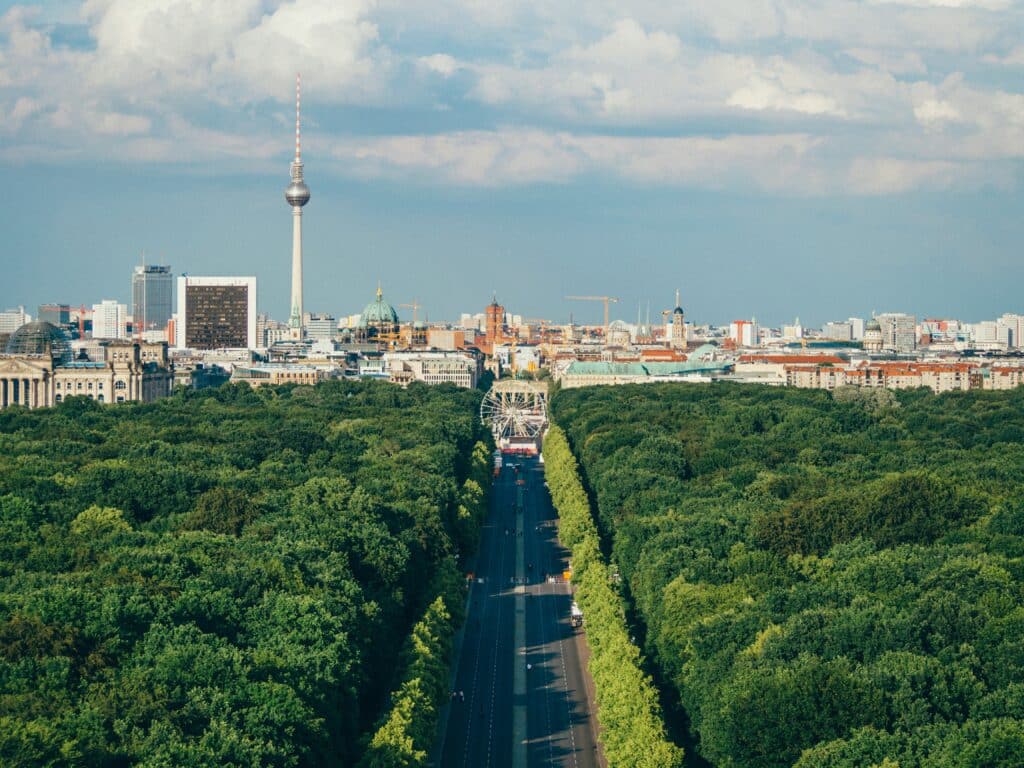
Germany is Europe’s largest economy by GDP and the third-largest worldwide, with gross domestic product of approximately $5.452 trillion. It also ranks 23rd worldwide for GDP per capita. Known for its engineering expertise and automotive industry, Germany’s economic stability makes it a cornerstone of the European economy.
Germany’s Mittelstand companies, comprising small and medium-sized enterprises, are the backbone of its industrial strength. The country’s emphasis on vocational training ensures a skilled workforce, while its leadership in renewable energy transitions highlights its commitment to sustainability. Yet, challenges such as an aging population and reliance on exports require innovative policy solutions.
Key Factors:
- Strong industrial base, particularly in automotive and machinery.
- Close ties to the European Union for trade and policy influence.
- Consistent economic growth backed by innovation.
4. Japan
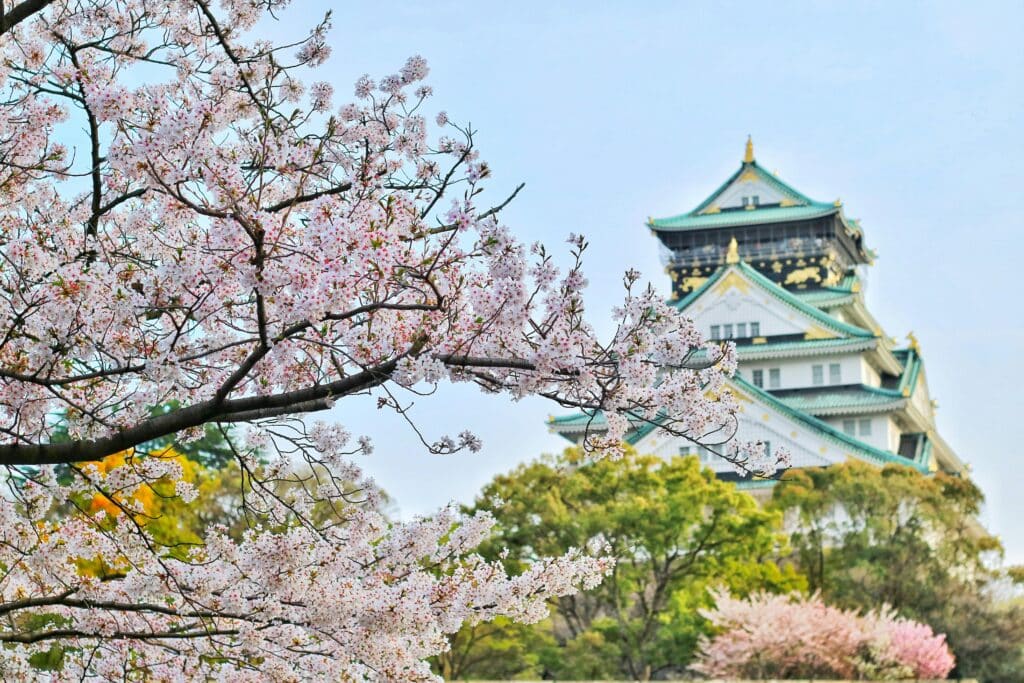
Japan’s economy ranks fourth in the world, with nominal GDP of more than $4.38 trillion. The nation excels in technology, robotics, and automobile production, maintaining a competitive edge in the global market. The country’s resilience is exemplified by its recovery from economic stagnation in the 1990s and natural disasters like the 2011 tsunami. Japan’s cultural dedication to precision and quality is evident in its global brands like Toyota and Sony. However, demographic challenges, including an aging population and declining birth rates, pose significant economic hurdles.
Key Factors:
- Cutting-edge advancements in technology and innovation.
- A culture of precision and quality across industries.
- Resilience in recovering from economic challenges.
5. United Kingdom
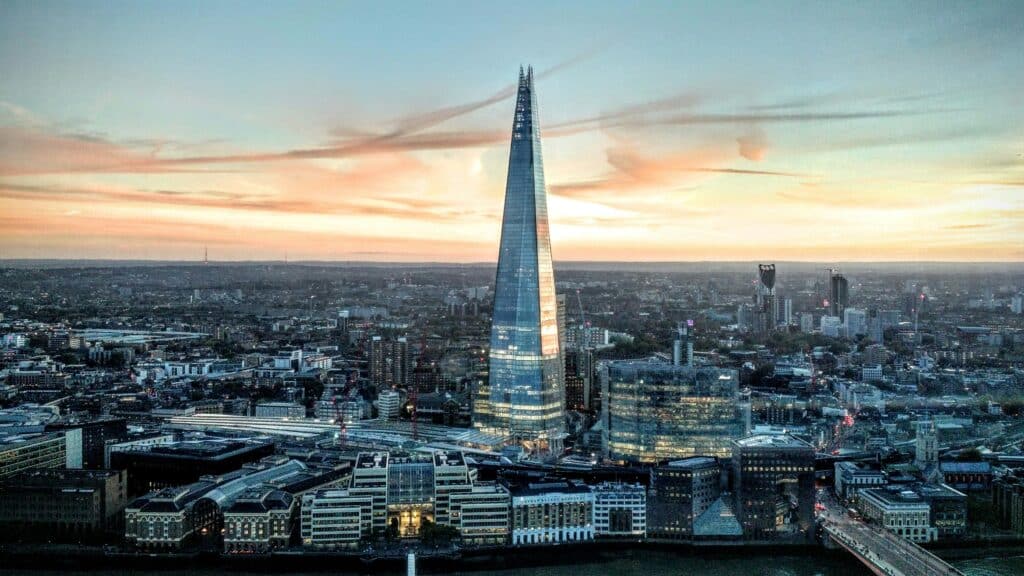
The United Kingdom comes just behind Japan, with nominal GDP of approximately $4.26 trillion. It also ranks 25th for GDP per capita. London’s financial services, together with strong contributions from healthcare, technology and education, reinforce its economic influence.
As a post-Brexit economy, the UK is focusing on redefining trade relationships while leveraging its global financial hub in London. The country’s world-class universities attract international talent, driving innovation in tech and sciences. Reducing regional disparities and economic inequalities remains a key focus for sustained growth.
Key Factors:
- Global financial hub in London.
- Comprehensive education and healthcare systems.
- Active role in international trade and policymaking.
6. France

The French economy, with gross domestic product of approximately $3.596 trillion, is driven by its luxury, agriculture and tourism sectors. France is a leading European economy and makes a significant contribution to global trade. Its GDP per capita is slightly lower than Germany’s and the United Kingdom’s, averaging $52,083 and ranking 33rd internationally.
Renowned for iconic brands in fashion, wine, and cuisine, France is also a pioneer in nuclear energy and aerospace technology. Paris, as a cultural and economic hub, attracts millions of tourists annually. France’s economy benefits from strategic EU partnerships, though labor market rigidity and public debt require ongoing reforms.
Key Factors:
- Renowned for high-end fashion, wine, and tourism.
- Strategic partnerships within the European Union.
- Focus on renewable energy and sustainable practices.
7. Canada

Canada is one of the world’s leading economies, with nominal GDP of approximately $2.507 trillion. Its GDP per capita is also high, averaging $60,305. The Canadian economy is based notably on its extensive natural resources, services including finance, transport and retail, and technology sectors. This economic diversity is also reflected across the provinces, whose activities rely on varied sectors.
Alberta and Saskatchewan rely particularly on their energy and mining resources, Ontario and British Columbia on services and technology, while Quebec has substantial hydroelectric production.
The country also benefits from close trade ties with the United States, its main economic partner. However, Canada faces several challenges, including a productivity gap with the United States, pressure on the housing market and heavy dependence on trade with its American neighbour.
Key Factors:
- Extensive natural resources, including oil, gas and minerals.
- Close trade ties with the United States.
- A diversified economy, also driven by services and technology.
8. Norway

Norway has a high GDP per capita, averaging $105,877, while its nominal GDP is approximately $599.41 billion. The country is recognised for its sustainable development strategy, supported particularly by revenue from its oil and natural gas reserves. Its wealth is complemented by a strong focus on social wellbeing and environmental sustainability.
The country’s sovereign wealth fund, fuelled by petroleum revenues, ensures long-term economic stability. Investments in green energy and innovation aim to reduce dependency on fossil fuels. Norway’s commitment to quality of life and equitable wealth distribution sets it apart globally.
Key Factors:
- Extensive natural resources, especially oil and gas.
- A well-developed welfare system ensuring a high quality of life.
- Significant investment in renewable energy for future resilience.
9. Australia
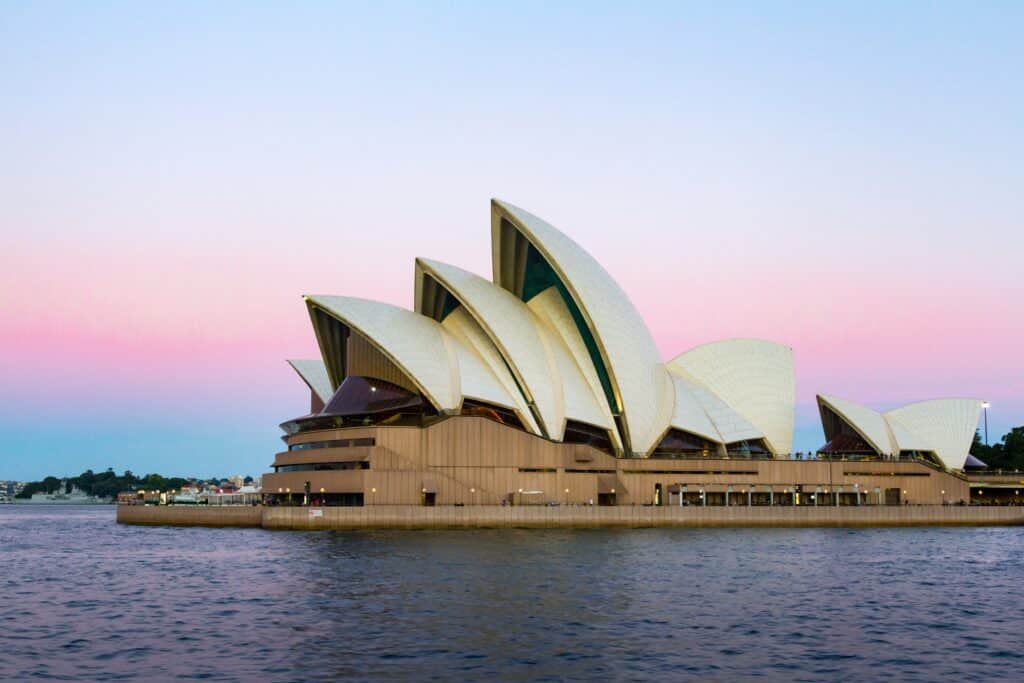
Australia’s economy, with nominal GDP of $2.124 trillion, is supported by its mineral wealth, agriculture and a strong services sector. Its relatively small population enables it to achieve a high GDP per capita, averaging $75,648.
Known for its stable political environment, Australia attracts investment in sectors like education and tourism. Its trade relationships with China and Southeast Asia underpin economic growth. Environmental challenges, including climate change and resource management, are critical for its future trajectory.
Key Factors:
- Abundant natural resources, including gold and iron ore.
- A thriving education sector attracting international students.
- Political stability and robust trade relationships.
10. Switzerland
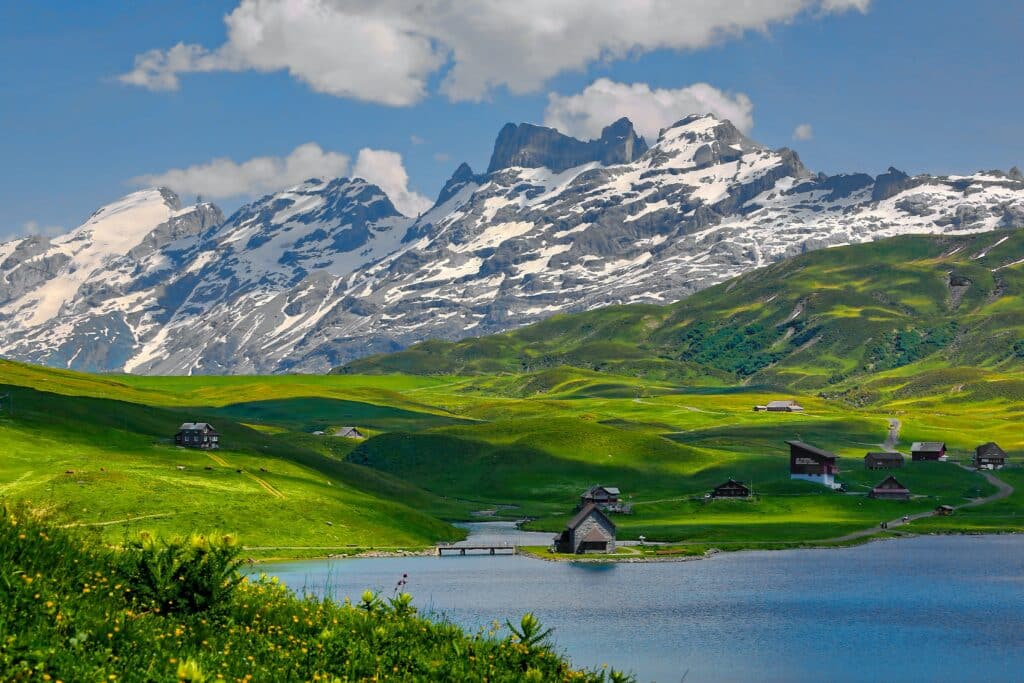
Switzerland’s reputation for banking, precision manufacturing, and high-quality goods has earned it a spot among the world’s wealthiest nations. With a GDP per capita among the highest globally, it retains a place among the world’s wealthiest nations.
A symbol of financial and economic stability, the country has one of the world’s highest GDP per capita figures, at $126,177, and ranks among the top 20 for nominal GDP, at approximately $1.147 trillion.
Its neutrality and political stability make Switzerland a safe haven for international capital. Industries like pharmaceuticals and luxury goods maintain global competitiveness. The nation’s focus on innovation and sustainability supports long-term growth, though rising living costs present challenges for its residents.
Key Factors:
- Strong banking and financial services industry.
- High-quality exports, including watches and pharmaceuticals.
- Political neutrality attracting international investments.
The role of natural resources in economic wealth
Several of the wealthiest nations owe their prosperity to abundant natural resources, such as oil, gas, and minerals. These resources drive exports and attract foreign investment, contributing significantly to their nominal GDP. However, relying heavily on resources can be risky, as global demand fluctuates. Countries like Norway and Australia mitigate this risk through diversification and sustainable practices.
Challenges faced by wealthy nations
Despite their economic might, the richest nations encounter various challenges:
- Income Inequality: Wealth is often concentrated in specific sectors or regions, leaving others behind. China is a prime example.
- Aging Populations: Nations like Japan and Germany face shrinking workforces, impacting productivity.
- Environmental Concerns: Balancing industrial growth with sustainability is a key issue for long-term economic health.
The Influence of global organizations
Institutions such as the World Bank and International Monetary Fund (IMF) play a pivotal role in monitoring GDP growth, nominal GDP, and global economic trends. These organizations provide insights that help governments craft policies for sustainable development.
The official ranking of the world’s wealthiest countries according to the IMF
The 10 countries with the highest GDP
| Country | GDP (USD billions) |
| United States | 32 384 |
| China | 20 852 |
| Germany | 5 453 |
| Japan | 4 379 |
| United Kingdom | 4 265 |
| India | 4 153 |
| France | 3 596 |
| Italy | 2 738 |
| Russia | 2 656 |
| Brazil | 2 640 |
The 10 countries with the highest GDP per capita
| Country | GDP per capita (US dollars) |
| Monaco | 288 002 $ |
| Liechtenstein | 226 809 $ |
| Luxembourg | 158 733 $ |
| Bermuda | 142 250 $ |
| Ireland | 140 186 $ |
| Switzerland | 126 177 $ |
| Iceland | 110 048 $ |
| Singapore | 107 758 $ |
| Norway | 105 877 $ |
| Cayman Islands | 104 293 $ |
Conclusion
The wealthiest countries in the world are the result of a combination of innovation, resource management and strong industrial foundations. From the United States and its unmatched economic scale to Germany’s industrial leadership and Norway’s sustainable resource management, each nation makes a unique contribution to the global economy. These countries are not only benchmarks for economic success; they also shape the future of global trade and prosperity.
Sources
For the rankings:
Related posts

The complete checklist for a successful move abroad
The big day has arrived! You’ve finally decided to move abroad, whether for love, because you have fallen for a…

Why expats move abroad: What makes people start again somewhere else?
Nearly a quarter of a million people emigrated from the UK last year. In this blog, we dig into the…